Aging adults often face challenges maintaining their energy, mobility, and independence as daily tasks become more difficult. Staying physically active and mentally engaged plays a crucial role in preserving overall health and preventing physical and cognitive decline. Structured routines, safe environments, and meaningful activities allow seniors to enjoy life while supporting their physical, emotional, and cognitive wellbeing.
Encourages Physical Activity Safely at Home
Maintaining an active lifestyle is essential for preserving strength, balance, and flexibility in older adults. Gentle exercises like stretching, light weight training, or short walks increase circulation and reduce the risk of falls. Families can support seniors by creating safe spaces for activity and using equipment like resistance bands or supportive chairs. For consistent guidance, home care professionals can design personalized exercise routines, supervise workouts, and provide encouragement to ensure seniors remain active while minimizing injury risk.
Supports Balanced Nutrition and Hydration
Proper nutrition fuels energy, strengthens muscles, and supports overall health in aging adults. Preparing well-balanced meals with adequate protein, fiber, and vitamins can prevent fatigue and muscle loss. Hydration is equally important, as older adults are prone to dehydration, which can affect mobility and cognition. For seniors needing additional support with meal planning, hourly care services provide assistance with grocery shopping, meal preparation, and ensuring healthy eating habits are maintained throughout the day.
Provides Cognitive Stimulation to Maintain Mental Fitness
Mental activity is key to independence and overall wellbeing. Engaging seniors in puzzles, memory games, reading, or learning new skills keeps the brain active and delays cognitive decline. Structured mental exercises also increase focus, attention, and problem-solving abilities. Families can integrate these tasks into daily routines, and live-in care ensures continuous support for cognitive engagement, helping seniors stay mentally sharp and maintain confidence in daily decision-making.
Promotes Social Engagement and Emotional Health
Social interaction is critical for emotional wellbeing and cognitive function. Regular engagement with family, friends, and community activities reduces isolation, anxiety, and depression in aging adults. Social activities can include phone calls, video chats, group games, or casual conversations. Seniors needing ongoing companionship benefit from professional support, and 24-hour care can provide continuous social interaction and supervision, ensuring seniors remain connected, engaged, and emotionally fulfilled while safely participating in activities.
Creates a Safe and Accessible Home Environment
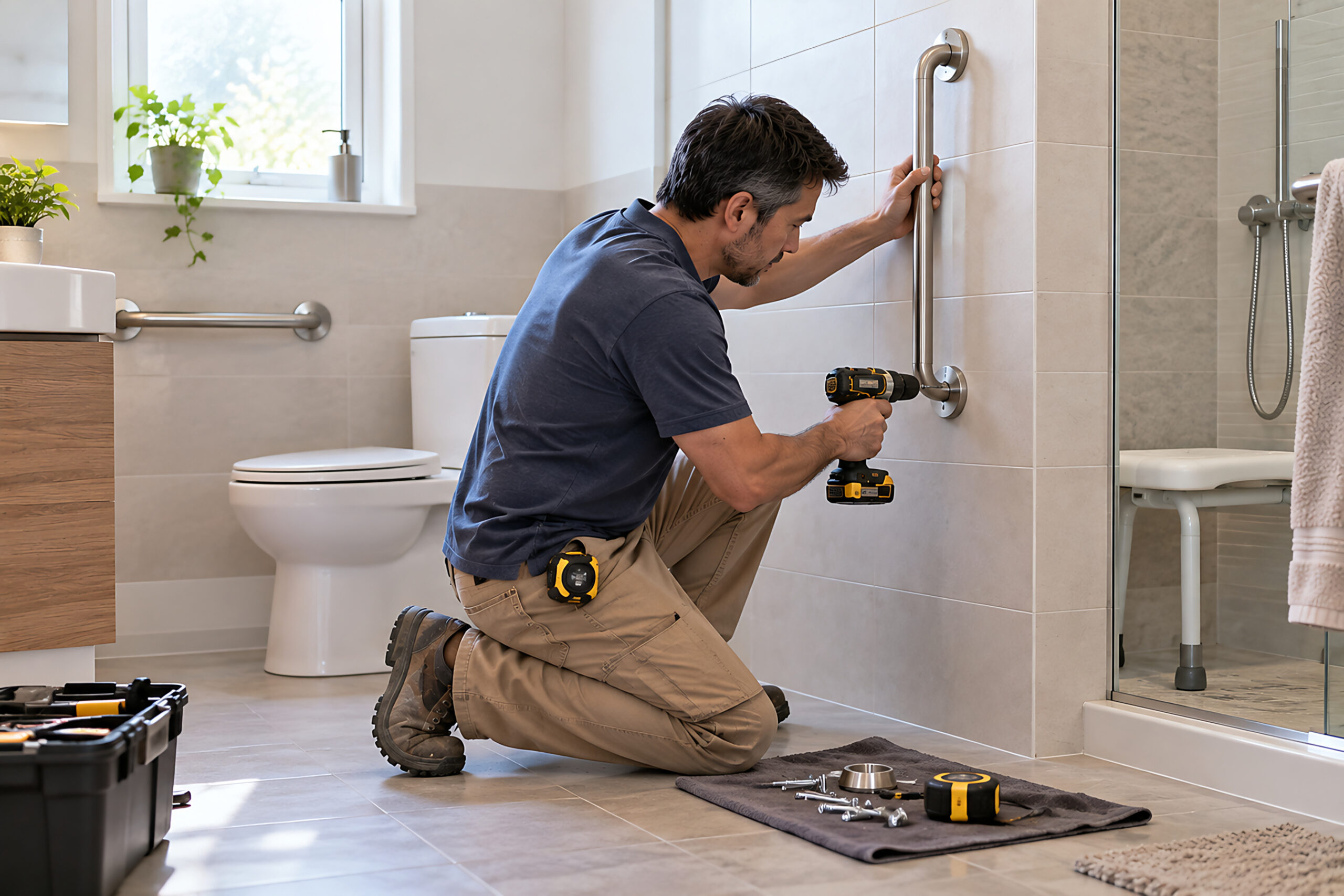
A safe home environment encourages movement and independence while reducing the risk of accidents. Simple adjustments such as grab bars, improved lighting, and decluttered walkways support mobility and confidence. Organizing frequently used items within reach helps seniors complete tasks safely and efficiently. Safe home design paired with structured guidance from caregivers encourages autonomy, allowing older adults to perform daily activities with minimal assistance while maintaining dignity.
Encourages Hobbies and Leisure Activities
Hobbies provide a sense of purpose and joy while also stimulating mental and physical engagement. Activities like gardening, arts and crafts, music, or gentle dancing promote creativity and emotional wellness. Scheduling hobbies consistently ensures seniors remain motivated and active. Ideas for seniors include:
- Gardening or tending to indoor plants
- Painting, drawing, or crafting
- Listening to or playing music
- Gentle dancing or chair exercises
- Cooking or baking with supervision
Combines Fitness, Cognitive, and Social Activities
Integrating physical, mental, and social activities strengthens overall health and independence. For example, group exercise classes with memory games or music sessions combine multiple benefits, keeping seniors engaged in a holistic approach to wellbeing. Coordinated care ensures these routines are safe, enjoyable, and adaptable to individual abilities. Structured, integrated activities promote consistent participation and help seniors maintain confidence in performing daily tasks.
Active and Independent Living with Assisting Hands Home Care in Libertyville
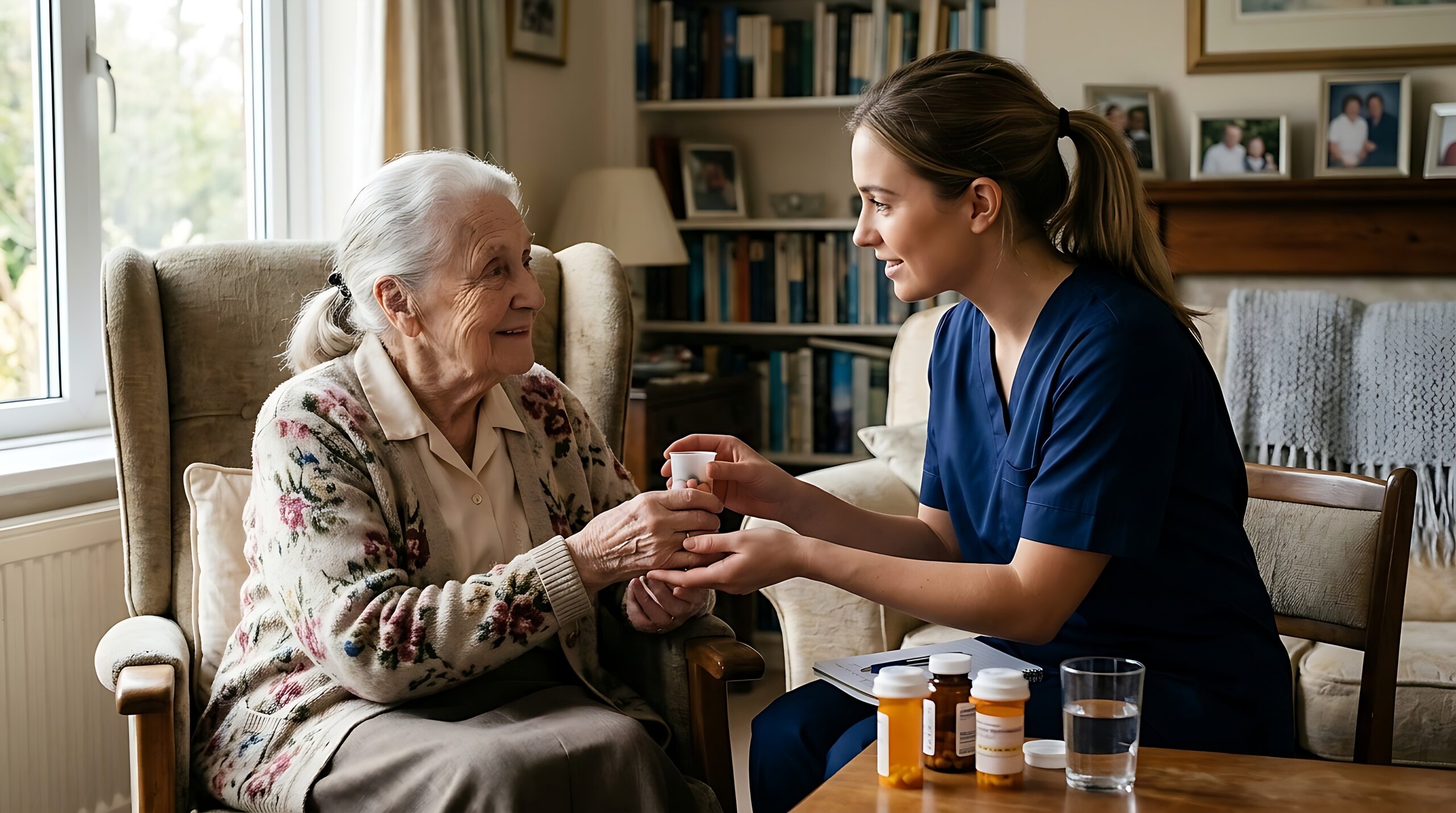
Staying active and maintaining independence is essential for healthy aging, but many seniors need the right level of support to achieve it. Assisting Hands Home Care provides personalized assistance through trusted home care Libertyville services that help older adults stay physically active and engaged in daily life. Our caregivers encourage light exercises, assist with mobility, support healthy routines, and provide companionship that motivates seniors to remain involved in their surroundings. By focusing on safety, consistency, and individualized care, we help seniors maintain their strength, confidence, and independence while continuing to live comfortably at home.
Benefits of In-Home Care for Aging Adults
| Area of Support | Benefits | Example Activities |
| Physical Fitness | Strength, balance, flexibility | Walking, stretching, chair exercises |
| Nutrition & Hydration | Energy, muscle maintenance, immunity | Meal prep, balanced meals, hydration |
| Cognitive Engagement | Memory, focus, problem-solving | Puzzles, reading, memory games |
| Social & Emotional Health | Reduces isolation, boosts mood | Conversations, group activities |
| Safety & Independence | Prevents falls, promotes confidence | Grab bars, decluttered spaces, supervision |
Develops a Personalized Care Routine
A structured routine tailored to each senior’s needs ensures balanced activity, rest, and nutrition while preventing fatigue or frustration. Daily schedules that incorporate exercise, hobbies, meals, social interaction, and mental stimulation create a predictable environment that fosters independence. Regular check-ins and progress tracking help caregivers adjust routines based on energy levels, preferences, and abilities, allowing seniors to stay active, confident, and engaged in daily life.
Frequently Asked Questions
How does in-home care help seniors stay active?
+
In-home care provides guidance, supervision, and encouragement for exercise routines and safe physical activities tailored to each senior’s abilities.
Can in-home caregivers help with meal preparation?+
Yes, caregivers assist with planning and preparing nutritious meals, ensuring seniors maintain proper nutrition and hydration throughout the day.
What activities boost cognitive function in aging adults?+
Puzzles, memory games, reading, music therapy, and structured problem-solving exercises help seniors maintain mental sharpness and memory skills.
How can social engagement benefit seniors at home?+
Regular interaction reduces isolation and depression, supports emotional health, and encourages participation in daily and recreational activities.
Are home modifications necessary for active aging at home?+
Yes, adjustments like grab bars, clear walkways, and accessible storage increase safety, prevent falls, and allow seniors to move confidently.