Blog

Blog

By Eugenia Damasius, 8:00 am on October 7, 2026

Preparing a home for in-home care means making each room safer, more accessible, and easier to navigate, which involves reducing fall risks, enhancing mobility, and creating a comfortable environment for both your senior loved one and the caregiver. How Should You Prepare the Entryway and Living Areas? The entryway and living room are high-traffic zones that need to be clear…
By Eugenia Damasius, 8:00 am on September 30, 2026

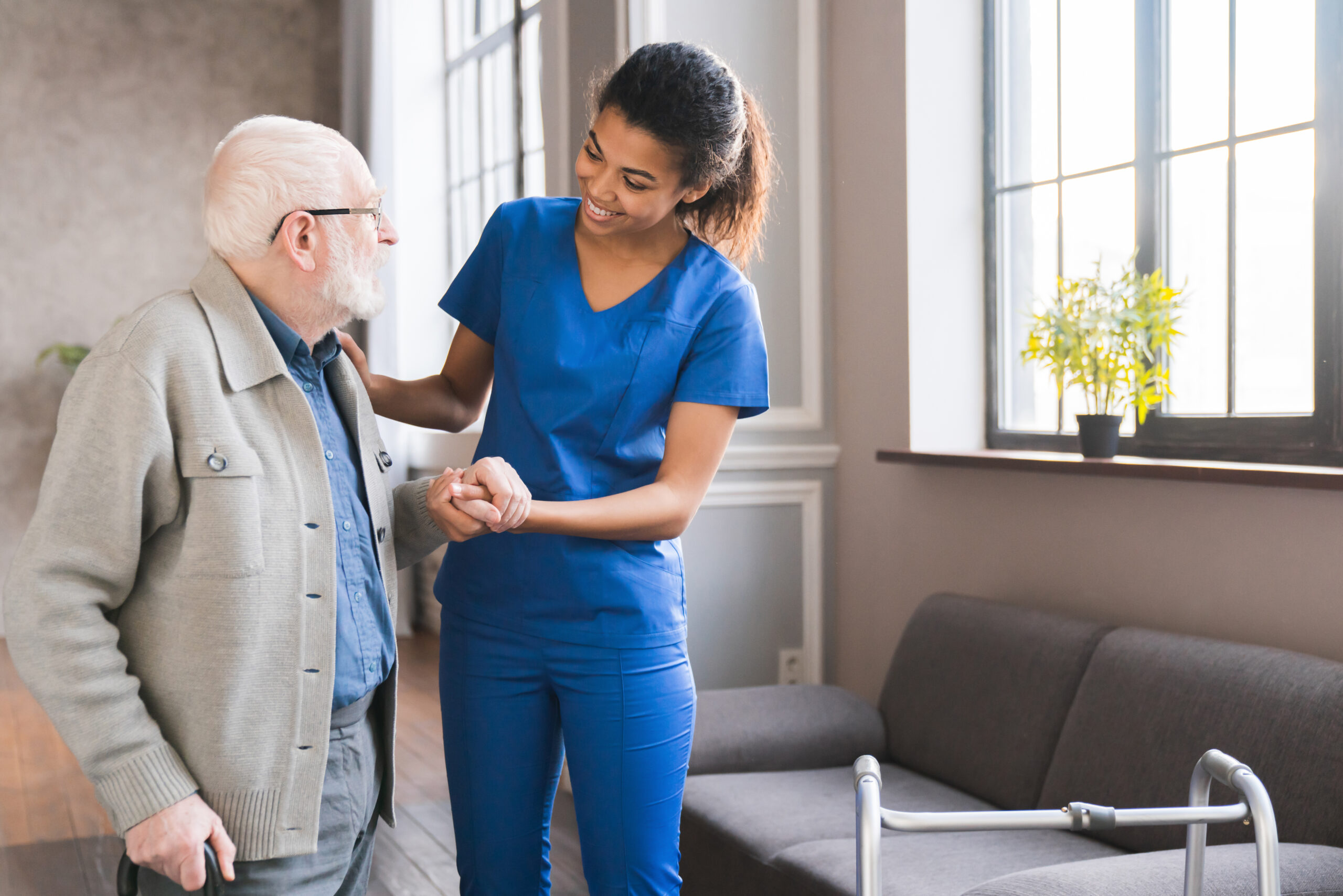
Family caregiving is one of the most meaningful roles a person can take on, but without clear boundaries, it can also become one of the most overwhelming. Establishing emotional and physical boundaries helps caregivers sustain their energy, protect their relationships, and provide consistent high-quality care over the long term. Why Do Boundaries Matter for Family Home Caregivers? Boundaries give caregivers…

By Eugenia Damasius, 11:18 am on September 25, 2026

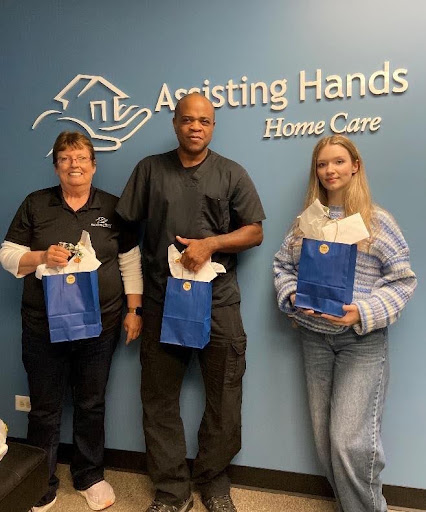
As we step into fall, the season of favorites begins. There are apple doughnuts, hot cider, the changing leaves, and, of course, our caregivers. This month, we’re celebrating a few of our own favorites: Danielle, Eileen, and Bryan. All three of these amazing caregivers have been part of the Assisting Hands family for many years. Throughout that time, they’ve consistently…

By Eugenia Damasius, 8:00 am on September 23, 2026

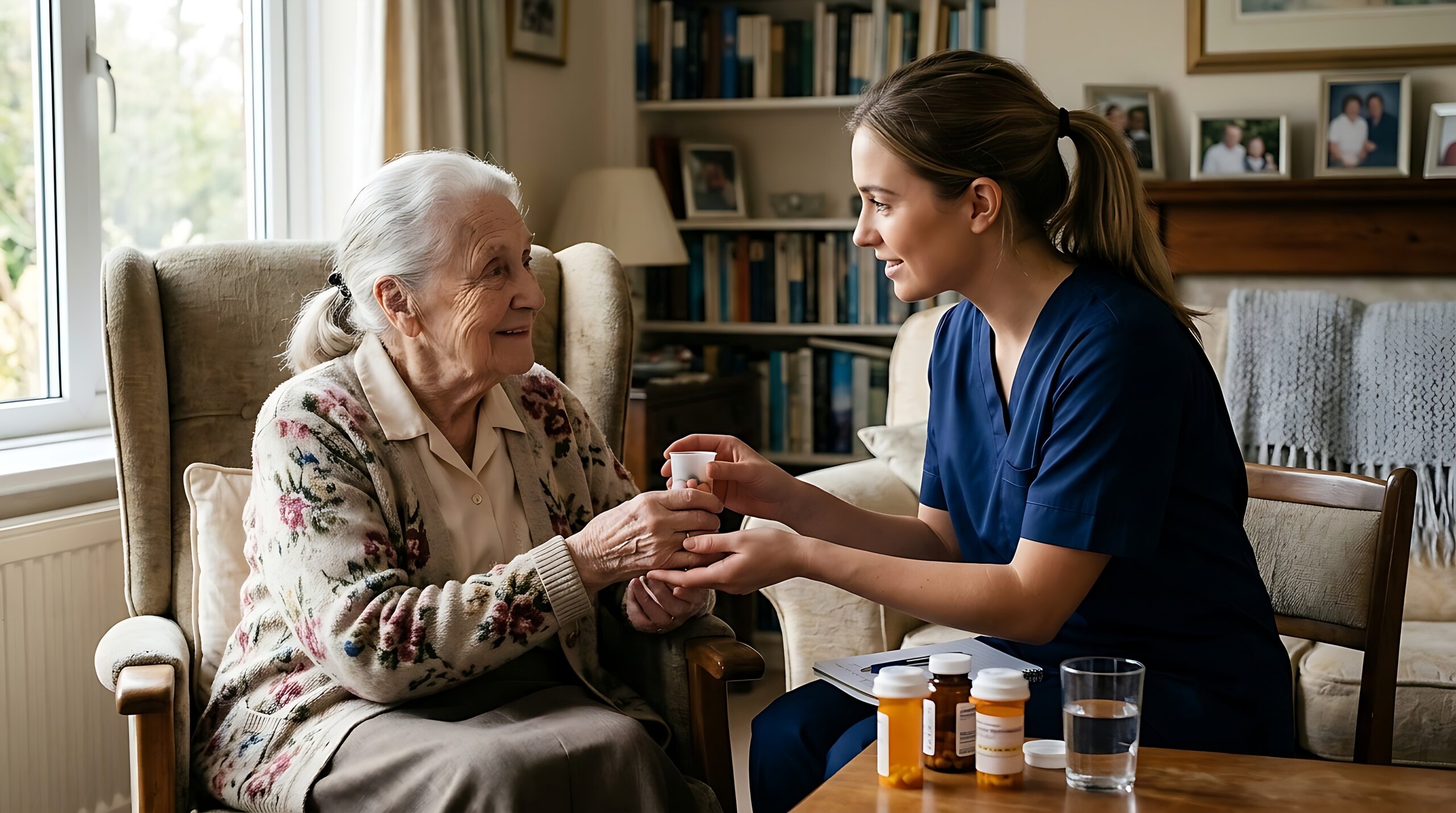
In-home care can prevent hospital readmissions by providing seniors with continuous support, medication organization, and early symptom monitoring after discharge, reducing the risk of complications that lead seniors back to the hospital. Hospital readmissions are a major challenge for seniors and healthcare systems alike, but in-home care offers a practical solution. By bridging the gap between hospital discharge and full…

By Eugenia Damasius, 8:00 am on September 16, 2026

Preventing senior isolation in in-home care requires a combination of structured social engagement, purposeful daily routines, technology-assisted connection, and caregiver training, all tailored to the individual needs of each older adult. Senior isolation is one of the most pressing challenges in in-home care, affecting both the mental and physical wellbeing of older adults. With the right strategies in place, caregivers…

By Eugenia Damasius, 8:00 am on September 9, 2026

Sundowning syndrome is a pattern of increased confusion, agitation, and behavioral changes that typically occurs in the late afternoon or evening in people with dementia or Alzheimer’s disease. A home caregiver can manage it through consistent routines, environmental adjustments, and calming strategies tailored to the individual. Sundowning affects an estimated 20 percent of people with Alzheimer’s disease, making it one…

By Eugenia Damasius, 8:00 am on August 26, 2026

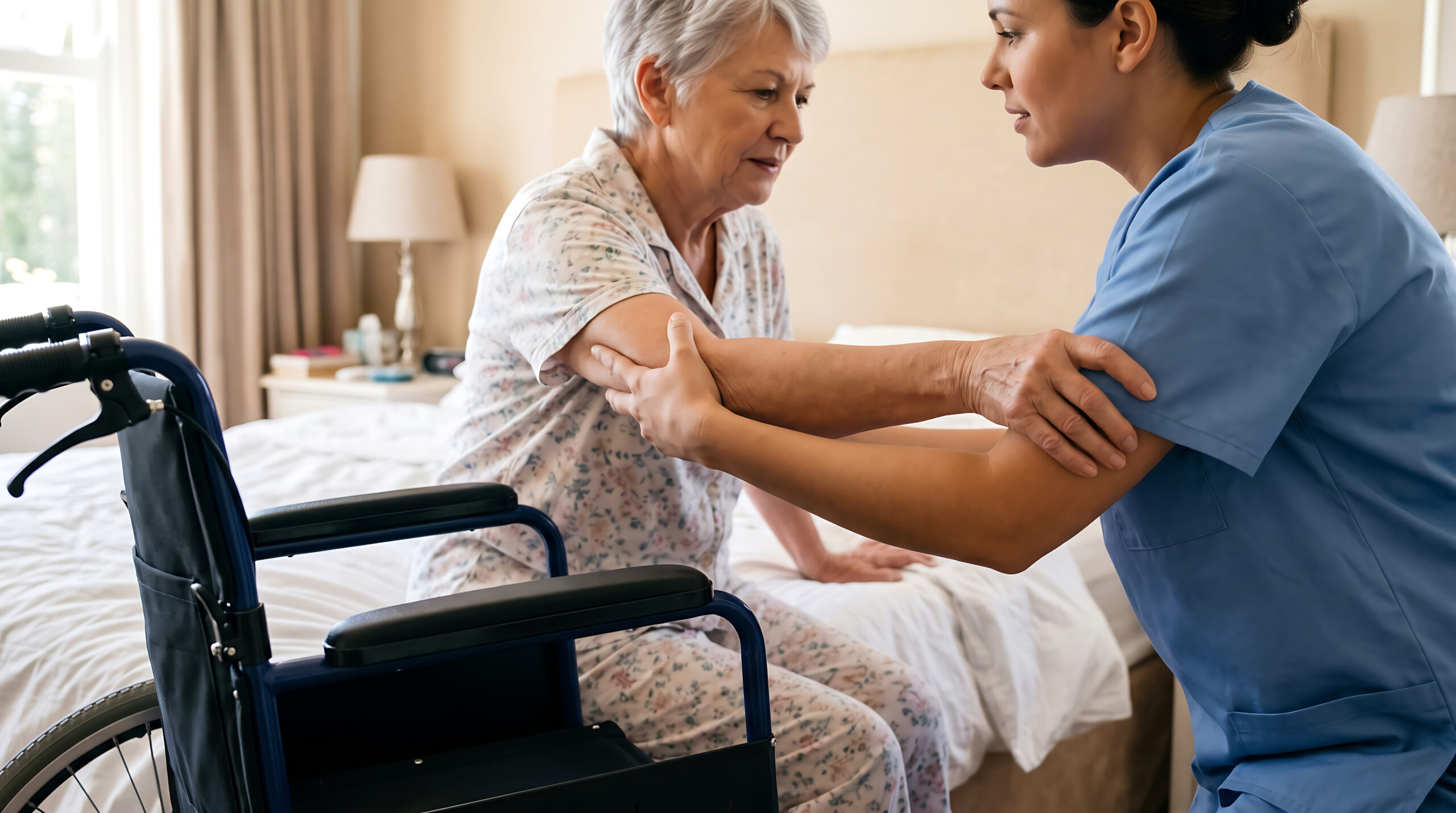
Integrating safe transfer techniques in daily senior in-home care involves utilizing proper body mechanics and appropriate mobility equipment to move older adults securely between surfaces like beds and chairs. Caregivers must prioritize clear pathways, stable leverage, and open communication to prevent falls and physical strain. These consistent daily practices empower older adults to maintain routine mobility safely and comfortably. What…

By Eugenia Damasius, 8:00 am on August 19, 2026

Preventing falls in senior in-home care requires a combination of home modifications, targeted exercises, and daily safety habits. Simple consistent changes to the home environment and routine can significantly reduce fall risk and support greater independence for older adults. Falls are the leading cause of injury among older adults, making fall prevention a top priority for senior in-home care. This…

By Eugenia Damasius, 8:00 am on August 12, 2026

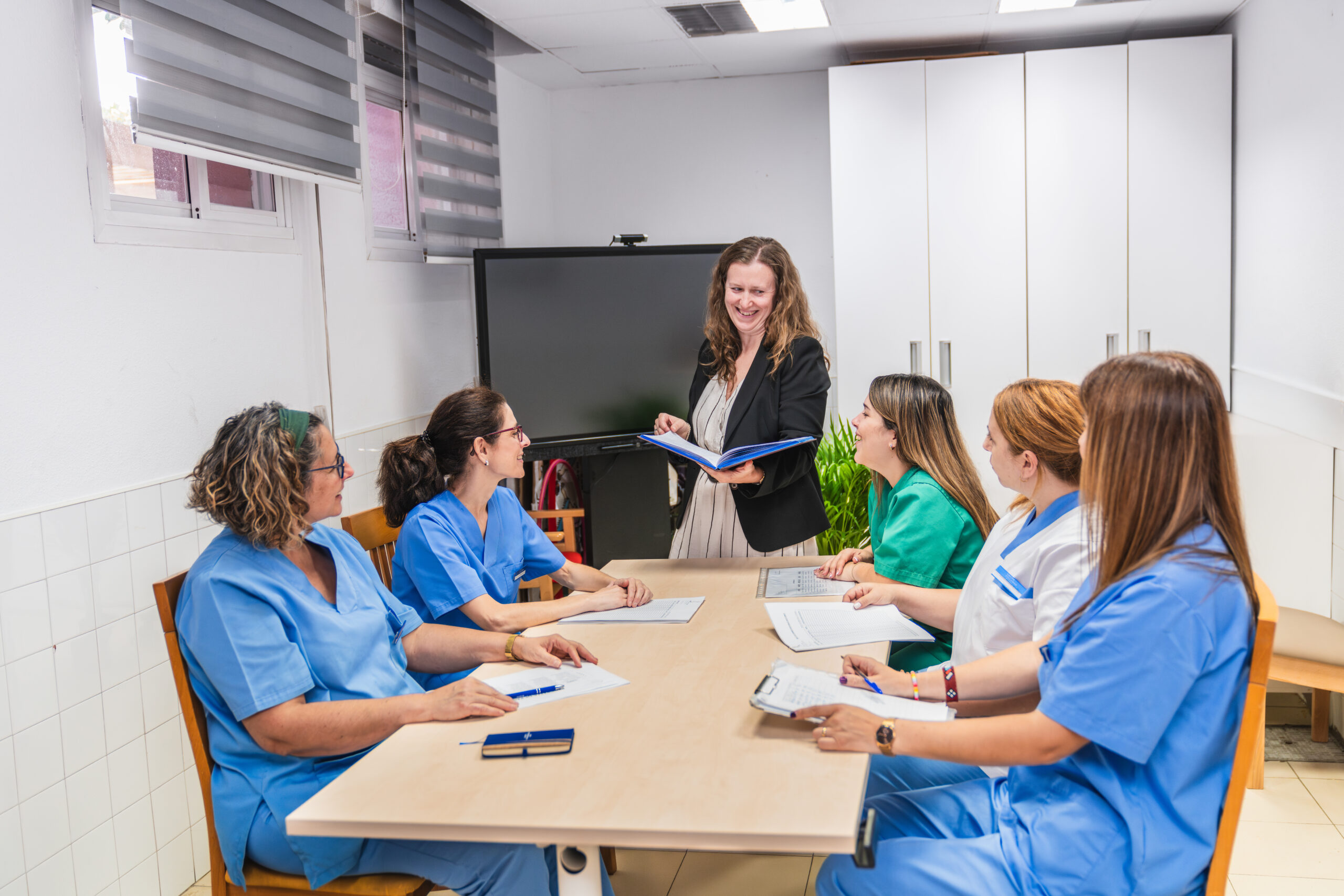
Multidisciplinary teams manage care at home by combining diverse professionals—such as social workers, dietitians, and physical therapists—to provide comprehensive personalized support for daily living. This collaborative approach ensures individuals can safely maintain their independence in familiar environments. By coordinating physical, emotional, and nutritional strategies, these teams address every aspect of a person’s wellbeing without relying on only one caregiver. What…

By Eugenia Damasius, 8:00 am on August 5, 2026

In-home care agencies prepare staff for dementia de-escalation by teaching evidence-based techniques that reduce conflict and promote emotional safety. This training is a core component of high-quality dementia care, helping caregivers navigate one of the most challenging aspects of the role with confidence and compassion. What De-Escalation Skills Do Caregivers Learn? Staff are trained in a range of practical skills…