Seniors living with dementia often experience memory loss, confusion, and changes in behavior that can make everyday life challenging. Structured, engaging activities not only provide enjoyment but also help seniors maintain cognitive function, emotional wellbeing, and a sense of accomplishment. Creating a routine that balances stimulation, relaxation, and social interaction supports seniors’ independence while reducing stress for caregivers.
Arts and Crafts
Arts and crafts stimulate creativity and fine motor skills while providing a calming, enjoyable experience. Activities such as painting, coloring, or simple sculpting help seniors express themselves when verbal communication is limited. Structured sessions can also reduce anxiety and boost mood. Families can encourage participation and offer guidance, and professional home care can ensure seniors safely complete projects, maintain focus, and gain a sense of pride from their creations. Arts activities also provide conversation starters, fostering social interaction and meaningful engagement.
Music Therapy and Sing-Alongs
Music has a unique power to trigger memories and enhance mood. Playing familiar songs, encouraging sing-alongs, or offering rhythm-based activities helps seniors recall past experiences and increases emotional stability. Music sessions can be integrated into daily routines, helping seniors remain relaxed and engaged. When families need assistance incorporating music therapy safely and consistently, hourly care services can provide structured support, guiding seniors through activities while observing responses to different music styles and tempos.
Memory and Cognitive Games
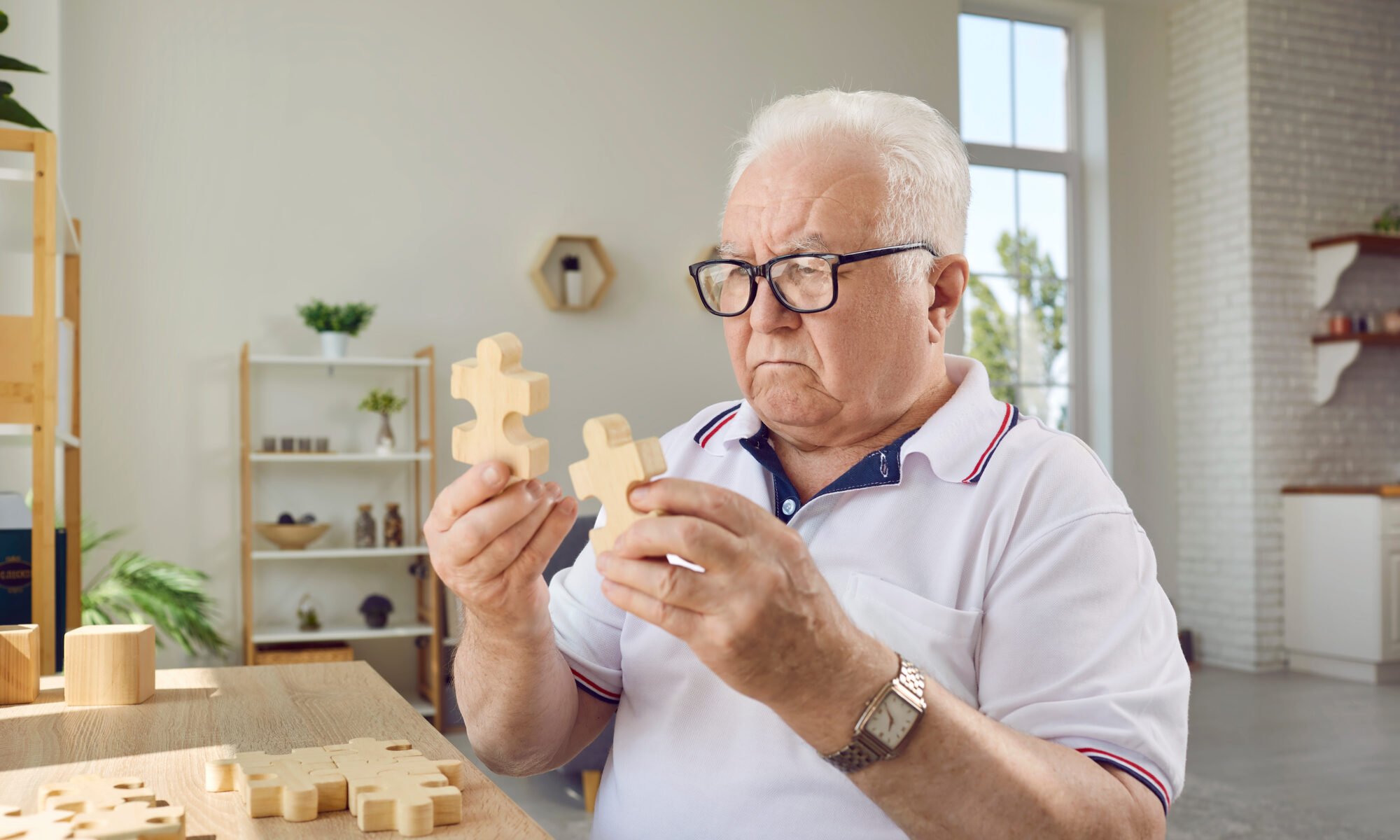
Puzzles, word searches, memory matching, and simple board games stimulate brain activity, boosting cognitive health. These activities also provide a fun, social opportunity for family members to bond with seniors. Repetition and positive reinforcement encourage continued participation. For seniors requiring daily supervision, live-in care can provide consistent engagement with memory-focused activities, ensuring tasks are completed safely and tailored to the individual’s cognitive level. These sessions can enhance focus, attention, and overall mental engagement.
Physical Movement and Light Exercise
Gentle exercise enhances circulation, mobility, balance, and mental health. Activities such as chair exercises, stretching, slow walking, or guided yoga increase flexibility while reducing restlessness. Structured routines also help seniors manage behavioral symptoms like agitation or wandering. Families can integrate these activities into daily schedules, and in cases where seniors require supervision throughout the day, 24-hour care ensures safe, consistent participation, reducing fall risks and maintaining stamina for overall wellbeing.
Reminiscence Activities and Storytelling
Reminiscence therapy encourages seniors to recall and share past experiences, photos, or personal stories. Using old photographs, family albums, or familiar objects stimulates memory and strengthens emotional connections. Engaging in storytelling helps seniors feel valued, increases social interaction, and promotes a sense of identity. Reminiscence activities can be scheduled during group sessions or one-on-one time, providing comfort and cognitive stimulation while encouraging meaningful family bonding.
Sensory Stimulation Activities
Engaging the senses, sight, touch, hearing, smell, and taste, can increase focus and emotional stability for seniors with dementia. Activities such as scented crafts, textured fabrics, water play, or tasting different foods provide gentle stimulation. Sensory engagement can reduce agitation and anxiety while improving attention spans. Families can easily create sensory stations at home to encourage safe interaction and enjoyment, keeping the mind active and reducing feelings of boredom or confusion.
Gardening and Nature-Based Activities
Spending time outdoors or tending to indoor plants promotes relaxation, reduces stress, and supports physical activity. Gardening tasks such as watering, planting, or pruning engage both body and mind. Nature-based activities also provide sensory stimulation and a sense of accomplishment. These activities can be incorporated into daily routines, enhancing emotional and cognitive wellbeing while offering opportunities for family members to participate in hands-on, enjoyable tasks.
Simple Activities to Engage Seniors with Dementia
- Painting or coloring
- Listening and singing to favorite songs
- Memory card games or matching puzzles
- Gentle stretching or chair yoga
- Reminiscence with photos or objects
Structured Daily Routine and Care Plan
A consistent routine provides comfort and reduces confusion for seniors. Establishing regular mealtimes, exercise sessions, cognitive activities, and rest periods promotes stability and predictability. Families can create weekly schedules to ensure engagement while minimizing stress and agitation. Clear routines help caregivers monitor seniors’ abilities, behavior, and mood. Combining structure with enjoyable activities encourages participation and reinforces a sense of independence and self-worth.
Meaningful Dementia Activities with Assisting Hands Home Care in Libertyville
Keeping seniors with dementia engaged in simple and enjoyable activities can improve mood, reduce confusion, and support overall well-being. Assisting Hands Home Care provides compassionate support through personalized home care Libertyville services that include structured, senior-friendly activities tailored to individual abilities. Our caregivers encourage light activities such as puzzles, music, storytelling, art, and gentle routines that promote familiarity and comfort. By creating a calm and engaging environment, we help seniors stay mentally active while ensuring safety, dignity, and a better quality of life at home.
Benefits of Different Activities for Seniors with Dementia
| Activity Type | Cognitive Benefits | Emotional/Behavioral Benefits |
| Arts & Crafts | Enhances fine motor skills, focus | Reduces anxiety, enhances mood |
| Music & Sing-Alongs | Stimulates memory recall | Boosts emotional wellbeing |
| Memory & Cognitive Games | Boosts cognitive health | Encourages social interaction |
| Physical Movement | Maintains strength & mobility | Reduces restlessness, agitation |
| Reminiscence Therapy | Strengthens memory, attention | Enhances identity and social bonds |
| Sensory Stimulation | Improves focus, brain engagement | Reduces boredom and anxiety |
| Gardening & Nature Activities | Supports hand-eye coordination | Relieves stress, promotes calmness |
Frequently Asked Questions
What are the best activities for seniors with dementia?
+
Arts and crafts, music therapy, memory games, light exercise, and reminiscence activities boost cognitive function and mood.
How often should seniors with dementia do these activities?+
Daily short sessions of 20–30 minutes or multiple small engagements throughout the day help seniors maintain focus without causing fatigue or frustration.
Can music really boost memory in dementia patients?+
Yes, familiar songs often trigger memories, enhance mood, and reduce anxiety, providing both emotional and cognitive benefits.
Are outdoor activities safe for seniors with dementia?+
Yes, with supervision. Simple gardening, nature walks, or sensory-based outdoor tasks provide physical exercise and relaxation when properly monitored.
How do I keep seniors motivated to participate?+
Offer gentle encouragement, choose familiar or preferred activities, and keep sessions short and engaging. Positive reinforcement fosters participation and enjoyment.