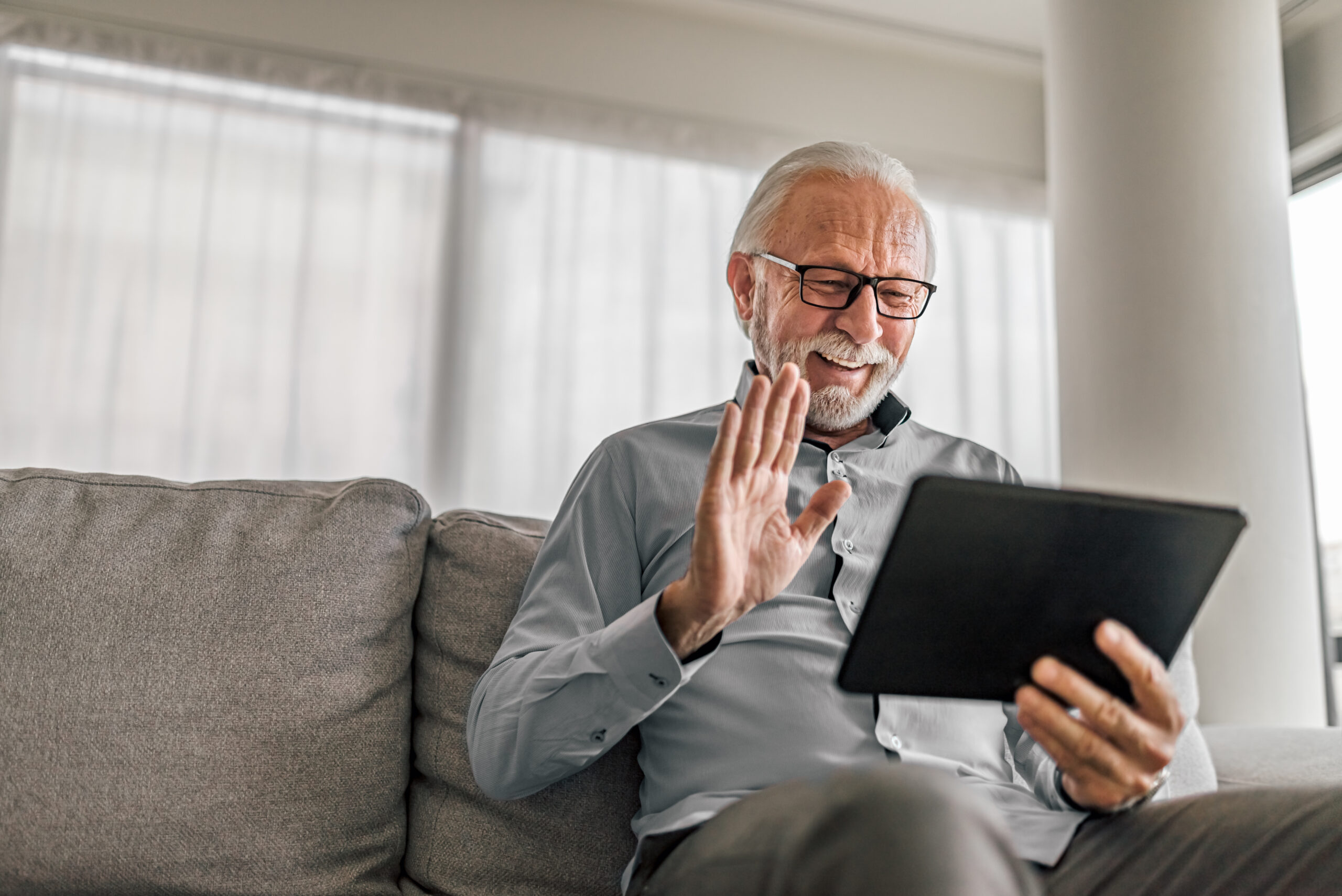
Seniors living independently often face risks such as falls, missed medications, and medical emergencies that can go unnoticed. Remote monitoring technology allows families and caregivers to track health and safety from a distance, providing peace of mind and timely intervention when needed. With proper integration, seniors can maintain independence while receiving consistent oversight in their homes.
Real-Time Health Monitoring
Families who require professional support can combine technology with in-person assistance through home care. Remote monitors track vital signs such as heart rate, blood pressure, oxygen levels, and glucose readings. This real-time data alerts caregivers or healthcare professionals to any irregularities, enabling prompt action before conditions worsen. Combining remote monitoring with professional support can ensure a senior’s health is consistently tracked while maintaining independence.
Devices used for real-time health monitoring:
- Smart blood pressure monitors – Automatically track BP and share readings through caregiver apps
- Bluetooth glucose monitors – Update sugar levels directly to smartphones for diabetic seniors
- Smart pulse oximeters – Continuously monitor oxygen saturation and pulse rate
- Connected digital thermometers – Send alerts if temperature rises unexpectedly
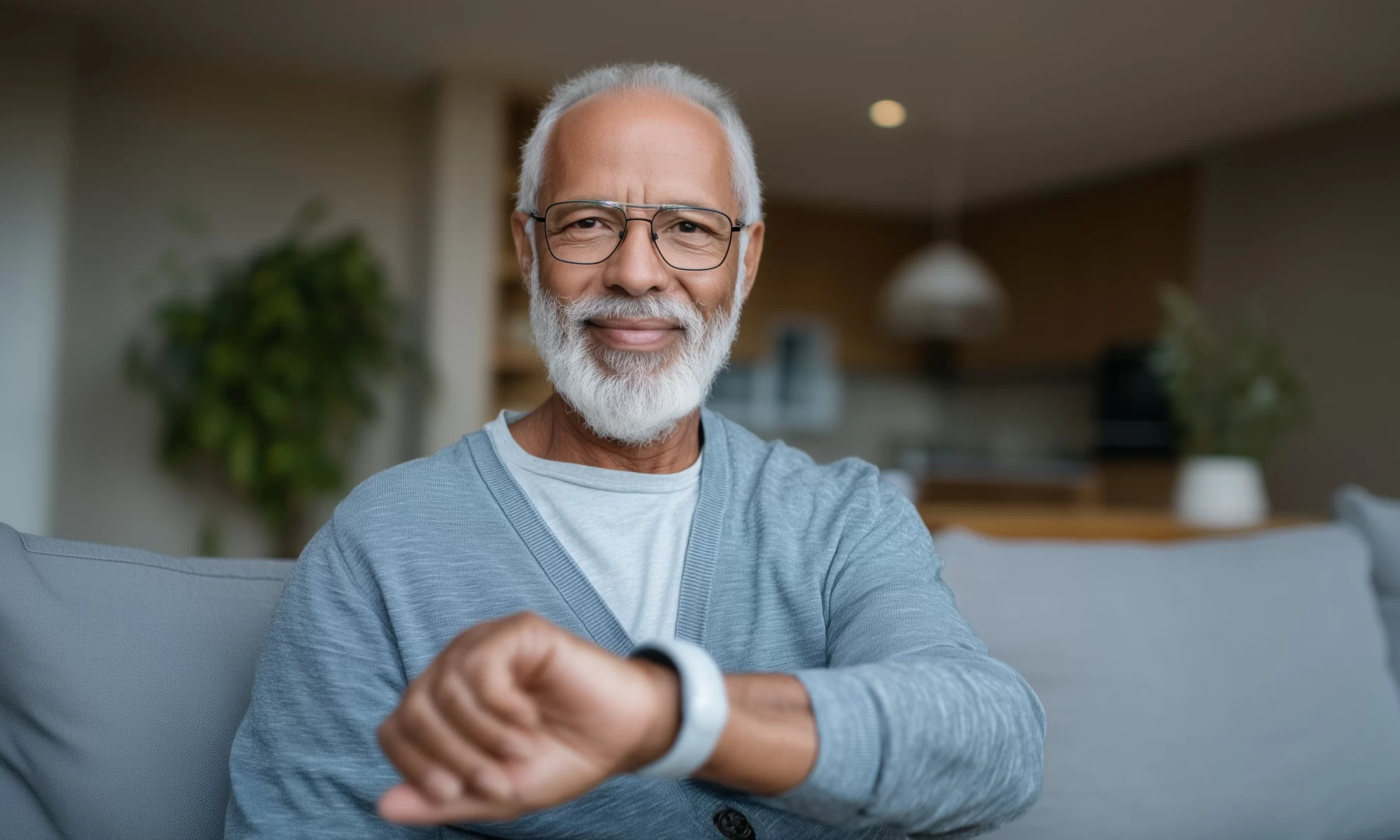
- Wearable health bands (Fitbit, Garmin, etc.) – Track heart rate, sleep quality, steps, and stress levels
- Portable ECG monitors – Useful for seniors with heart conditions who need frequent monitoring
- Smart weighing scales – Detect sudden fluid changes linked to heart or kidney issues
Fall Detection and Emergency Alerts
Falls are a leading cause of injury among seniors. Remote monitoring devices equipped with fall detection sensors automatically send alerts to caregivers or emergency services when a fall occurs. This rapid response minimizes complications and provides reassurance to family members. For seniors who need periodic supervision, hourly care can complement technology by providing in-person assistance during high-risk activities.
Devices used for fall detection:
- Automatic fall detection watches – Detect sudden motion or impact using advanced sensors
- Fall detection neck pendants – Include emergency buttons and automatic fall detection technology
- Smart hip protectors – Contain built-in sensors that detect falls and protect bones
- Bed exit sensors – Alert caregivers if a senior leaves the bed unexpectedly at night
- Floor vibration sensors – Installed under flooring to detect heavy impact from falls
Medication Management and Reminders
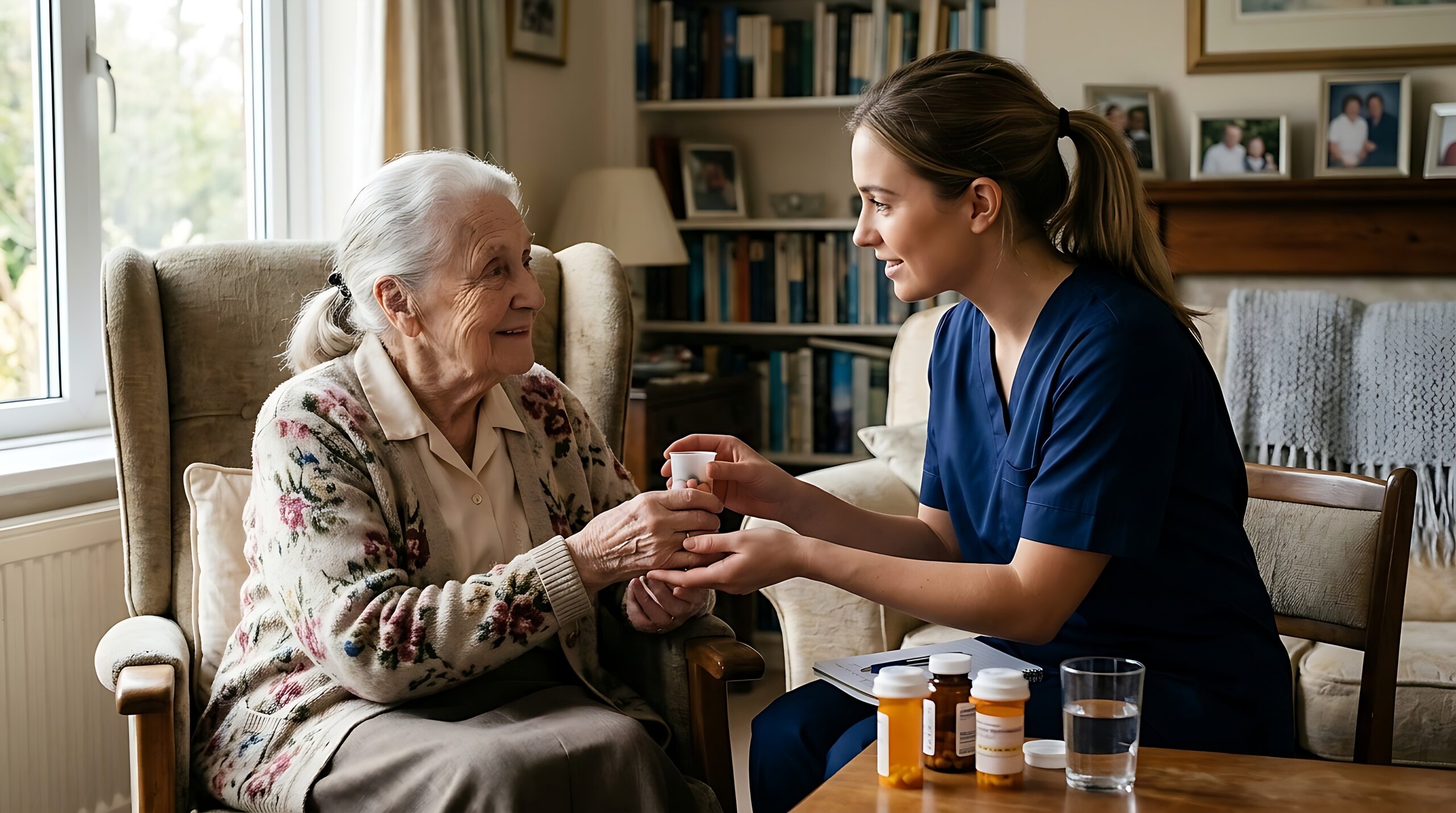
Managing multiple medications can be challenging, leading to missed doses or accidental overdoses. Remote monitoring systems can remind seniors when to take medications and alert caregivers if doses are missed. Integrating this with live-in care ensures continuous oversight, helping seniors adhere to treatment plans while reducing caregiver stress and maintaining their health.
Devices used for medication management:
- Smart pill dispensers – Automatically open at scheduled times and provide audible reminders
- Talking medication reminder devices – Give voice prompts for seniors with vision issues
- Automatic locking medication boxes – Prevent accidental double-dosing
- App-based medication schedulers – Notify caregivers when a dose is missed
- Smart measuring cups – Help seniors safely measure liquid medications
Enhancing Safety Through Environment Monitoring
Sensors can detect unsafe conditions in the home, such as smoke, carbon monoxide, water leaks, or unusual movement patterns. Alerts notify caregivers immediately, reducing the risk of accidents or emergencies. Seniors benefit from a safer environment, and families gain confidence knowing hazards are detected in real-time. Combined with 24-hour care, monitoring ensures constant vigilance and quick intervention when necessary.
Devices used for environment monitoring:
- Smart smoke & CO detectors – Identify smoke or harmful gas leaks instantly
- Water leak sensors – Detect moisture or flooding in high-risk areas like bathrooms and basements
- Door &window motion sensors –Track wandering or nighttime exits
- Stove safety sensors – Alert caregivers if the stove is left on for too long
- Smart pressure floor mats – Detect unusual inactivity or sudden movement
- Indoor air quality monitors – Track allergens, dust, carbon dioxide, and humidity
Encouraging Independence While Staying Connected
Remote monitoring supports seniors’ autonomy by allowing them to remain in their homes while caregivers receive updates on their wellbeing. Seniors maintain routines, hobbies, and social connections without feeling restricted.
Devices that help with independence:
- GPS smart trackers –Locate seniors with memory loss or wandering tendencies
- Two-way communication cameras – Allow caregivers to speak with seniors instantly
- Smart voice assistants (Alexa, Google Home) – Set reminders, make calls, and control home devices
- Motion-activated smart lights – Increase safety during nighttime movements
Family Peace of Mind and Caregiver Support
Family members often worry about seniors living alone. Remote monitors provide real-time updates on activities and health, reducing anxiety and allowing caregivers to respond efficiently. Caregivers can prioritize visits, plan support services, and intervene only when needed, creating a balance between oversight and independence.
Devices that give family real-time updates:
- Home health monitoring hubs – Connect multiple devices into one reporting system
- Smart activity trackers – Show daily movement patterns and activity levels
- Indoor safety cameras – Allow non-intrusive monitoring without disrupting privacy
- Mobile monitoring apps – Send all alerts directly to caregivers’ smartphones
Cost-Effective and Scalable Care Solutions
Remote monitoring reduces hospital visits, emergency room trips, and unnecessary caregiver interventions. It allows families to tailor care according to seniors’ needs, combining technology with personal support when required.
Cost & Benefit Analysis of Remote Monitoring vs Traditional Care
| Aspect | Remote Monitoring | Traditional Care |
| Daily Health Tracking | Realtime | Limited, periodic |
| Emergency Response | Immediate alerts | Delayed, depends on presence |
| Medication Compliance | Automated reminders | Relies on caregiver supervision |
| Independence for Seniors | High | Moderate to low |
| Overall Cost | Lower long-term | Higher due to hospital visits |
Integrating Technology with Personalized Care
Remote monitoring is most effective when combined with personalized care plans. Coordinating physical support, cognitive engagement, and health monitoring ensures seniors’ safety while promoting independence. Families can use insights from monitors to adjust routines, schedule visits, and provide targeted support, creating a comprehensive approach that balances autonomy with professional oversight.
Enhancing Senior Safety with Remote Monitoring through Assisting Hands Home Care in Libertyville
Technology can play a vital role in keeping seniors safe while they remain at home. Assisting Hands Home Care integrates modern remote monitoring solutions into our personalized home care Libertyville services to provide families with peace of mind. Our caregivers help set up and manage devices that track vital signs, detect falls, and monitor daily routines, ensuring timely responses if assistance is needed. By combining compassionate in-home care with reliable remote monitoring, we help seniors maintain independence, reduce risks, and create a safer, supportive environment at home.
Devices used in integrated care:
- Cognitive monitoring devices – Track memory patterns and early cognitive changes
- Smart bed sensors – Capture heart rate, breathing, and sleep data
- Daily activity monitoring systems – Track meals, hydration, bathroom visits, and movement
- Remote physiotherapy devices – Provide guided exercises and send performance data to caregivers
Frequently Asked Questions
What are home healthcare remote monitors?
+
These devices track health, safety, and environmental conditions, sending alerts to caregivers or family members in realtime.
How do remote monitors prevent falls?+
Fall detection sensors alert caregivers immediately, ensuring rapid assistance and reducing complications from injuries.
Can remote monitors assist with medication management?+
Yes, they provide reminders and notify caregivers if medications are missed, supporting adherence and safety.
Are remote monitors suitable for all seniors?+
Most seniors benefit, but device selection should consider mobility, cognitive ability, and comfort with technology.
Do remote monitors replace in-person care?+
No, they complement care by enhancing safety and allowing caregivers to focus on personalized support when necessary.