Maintaining privacy and dignity in in-home care is achievable through intentional practices. Effective strategies include establishing respectful communication protocols, handling personal care with sensitivity and modesty, promoting independence through meaningful choices, and safeguarding personal information. These approaches help seniors feel secure and respected in their own homes while receiving necessary support.
Welcoming a caregiver into your home requires a significant level of trust and vulnerability. Maintaining your senior loved one’s privacy and dignity isn’t just a professional courtesy—it’s the foundation of compassionate support. Here are effective strategies to ensure your loved one feels respected and secure in his or her own environment.
How Does Respectful Communication Protect a Senior’s Dignity?
The cornerstone of dignified care is how the caregiver and the client speak to one another. Communication should always empower seniors, reminding them that they’re active participants in their own care rather than passive recipients. This begins with simple gestures of courtesy that are easily overlooked in a medical setting but are crucial in a home.
Caregivers should practice the following habits:
- Ask before acting – Always ask for permission before entering a room, touching personal items, or beginning a care task.
- Explain the process – Before starting any procedure, regardless of how routine it is, explain what will happen. This reduces anxiety and prepares your loved one mentally.
- Listen actively – Give your loved one time to express his or her concerns or preferences without interrupting.
How Should Caregivers Handle Personal Care with Sensitivity?
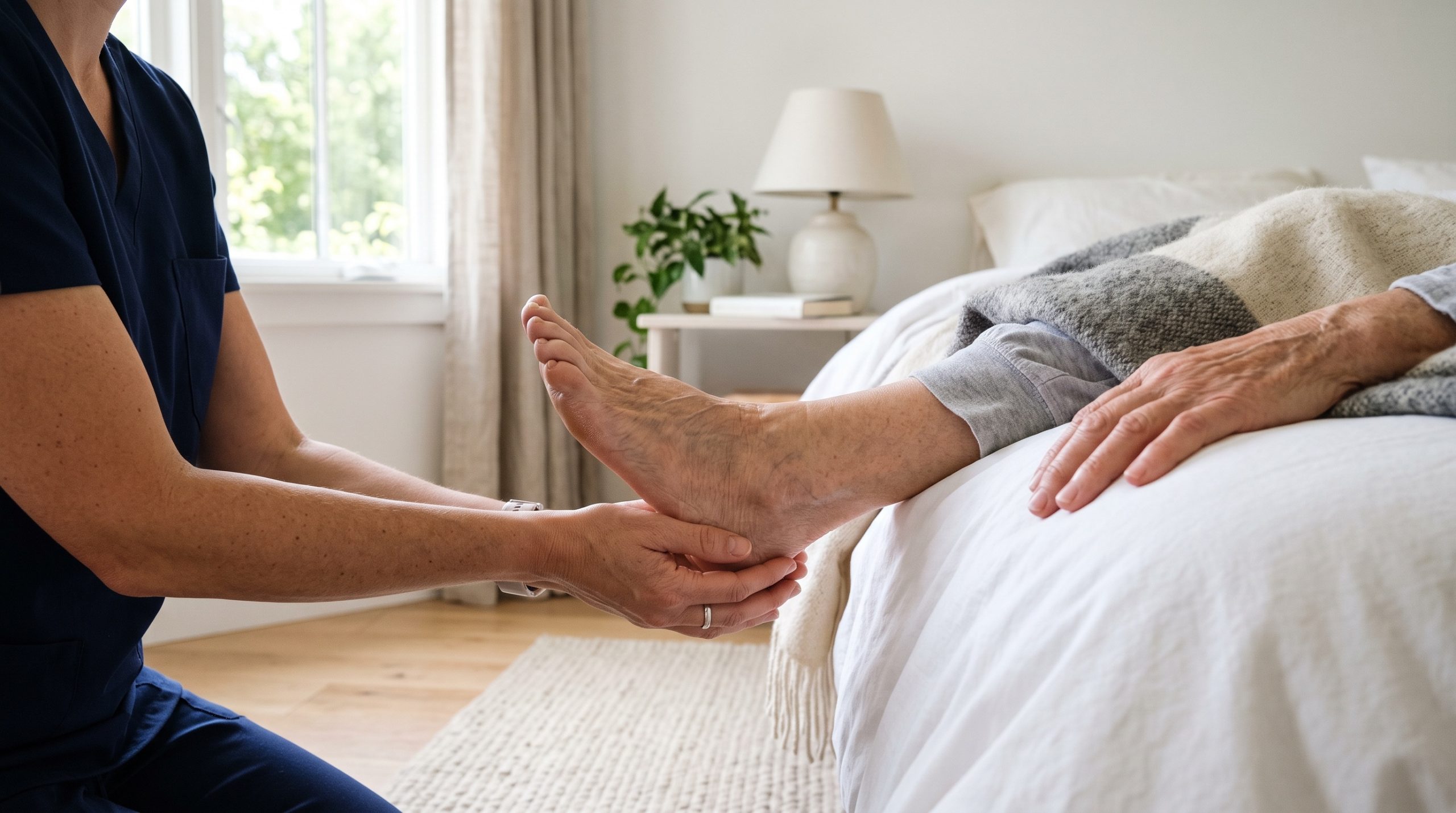
Assistance with activities of daily living (ADLs), such as bathing, dressing, and toileting, creates the most potential for embarrassment or discomfort. It’s vital to approach these tasks with a professional yet gentle demeanor that prioritizes physical modesty. The goal is to make the experience as comfortable and normal as possible.
To maintain physical privacy during personal care:
- Close doors and curtains – Ensure blinds are drawn and doors are shut to prevent accidental exposure to other household members or neighbors.
- Use draping techniques – When bathing or dressing, keep your loved one covered with towels or blankets, exposing only the specific part of the body being washed or treated at that moment.
- Step away when possible – If it’s safe to do so, give your loved one privacy while using the restroom or changing clothes, remaining within earshot for safety without hovering.
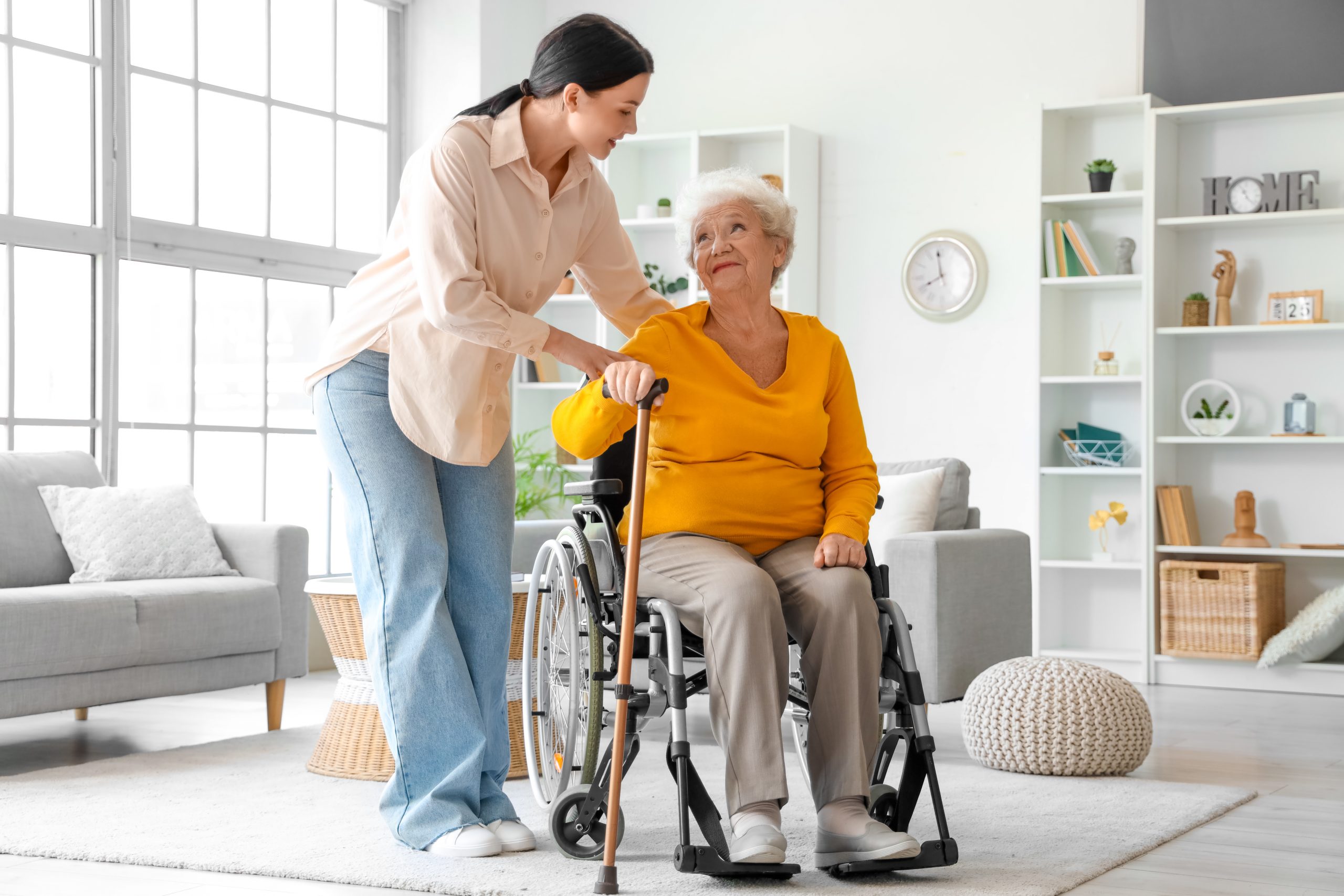
A professional caregiver can offer support while treating your parent with the dignity he or she deserves. When Libertyville families are considering homecare, they should make sure their senior loved ones have the resources they need to maintain their independence and remain healthy. Trusted home care Libertyville professionals can assist seniors with daily tasks like cooking, bathing, and exercise, and they can also encourage them to focus on healthier lifestyle habits.
Why Is Promoting Independence Essential for Preserving Dignity?
Dignity is closely tied to autonomy. When seniors lose the ability to do things for themselves, they can feel a loss of self-worth. In-home care should focus on “doing with” rather than “doing for” whenever possible. Preserving even small amounts of independence can significantly boost morale and mental wellbeing.
Encourage autonomy by:
- Offering choices – Let your loved one choose what to wear, what to eat, or the order in which he or she wants to complete routines.
- Encouraging participation – If your loved one can button his or her own shirt or comb his or her hair, allow time to do so, even if it takes longer.
- Respecting routines – Adhere to your loved one’s established habits and schedules rather than imposing your schedule upon him or her.
Some seniors only require help with a few daily tasks so they can maintain their independence. However, those living with serious illnesses may need more extensive assistance. Luckily, there is professional live-in care Libertyville seniors can rely on. Home can be a safer and more comfortable place for your loved one to live with the help of an expertly trained and dedicated around-the-clock caregiver.
How Can Caregivers Protect Personal and Medical Information at Home?
Secure document storage and discreet health discussions prevent unauthorized access to sensitive information. Privacy extends beyond the physical body to personal data and medical history. In a home setting, documents are often left on counters or conversations happen in shared living spaces. However, treating your loved one’s information with confidentiality is a legal and ethical imperative.
Protecting informational privacy involves:
- Secure recordkeeping – Keep medical charts, care logs, and financial documents in a secure folder or drawer, not left out on tables.
- Discreet discussions – Discuss health updates or sensitive issues in private areas, away from other family members or visitors who don’t need to know.
- Avoiding gossip – Never discuss your loved one’s condition, family dynamics, or personal secrets with others outside the care team.
Frequently Asked Questions
Should caregivers always ask permission before starting care tasks?
Yes, caregivers should always ask permission before entering rooms, touching belongings, or beginning any care procedure to maintain respect and autonomy.
How can families balance safety monitoring with privacy needs?
Remain within earshot during private moments like toileting rather than hovering, allowing independence while ensuring immediate help is available if needed.
What’s the most important factor in maintaining dignity during bathing?
Using draping techniques to keep your loved one covered while exposing only the specific body area being washed at that moment preserves modesty most effectively.
Can seniors with dementia still make meaningful choices?
Yes, offering simple choices about clothing, meals, or routine order can preserve autonomy and dignity even when cognitive abilities decline.
Where should medical documents be stored in the home?
Keep all medical charts, care logs, and health documents in a secure designated folder or locked drawer rather than leaving them visible on counters.
Privacy isn’t always the easiest thing to achieve, and sometimes seniors need a bit of help with more personal activities. If your aging loved one needs occasional help with bathing, grooming, cooking, or other basic household tasks, or if you need time to attend to important personal matters, reach out to Assisting Hands Home Care, a leading provider of respite care in Libertyville and nearby areas. Seniors can maintain their independence while living at home with the help of our reliable home caregivers. To create a customized in-home care plan for your loved one, call us today.