In-home care can prevent hospital readmissions by providing seniors with continuous support, medication organization, and early symptom monitoring after discharge, reducing the risk of complications that lead seniors back to the hospital.
Hospital readmissions are a major challenge for seniors and healthcare systems alike, but in-home care offers a practical solution. By bridging the gap between hospital discharge and full recovery, in-home care keeps seniors stable, supported, and on track.
Why Are Hospital Readmissions So Common?
Readmissions often happen when seniors lack adequate support after leaving the hospital. Common causes include:
- Medication errors or nonadherence
- Inadequate follow-up care
- Poor nutrition or hydration
- Undetected early warning signs of complications
- Difficulty managing chronic conditions independently
How Does In-Home Care Reduce the Risk of Readmission?
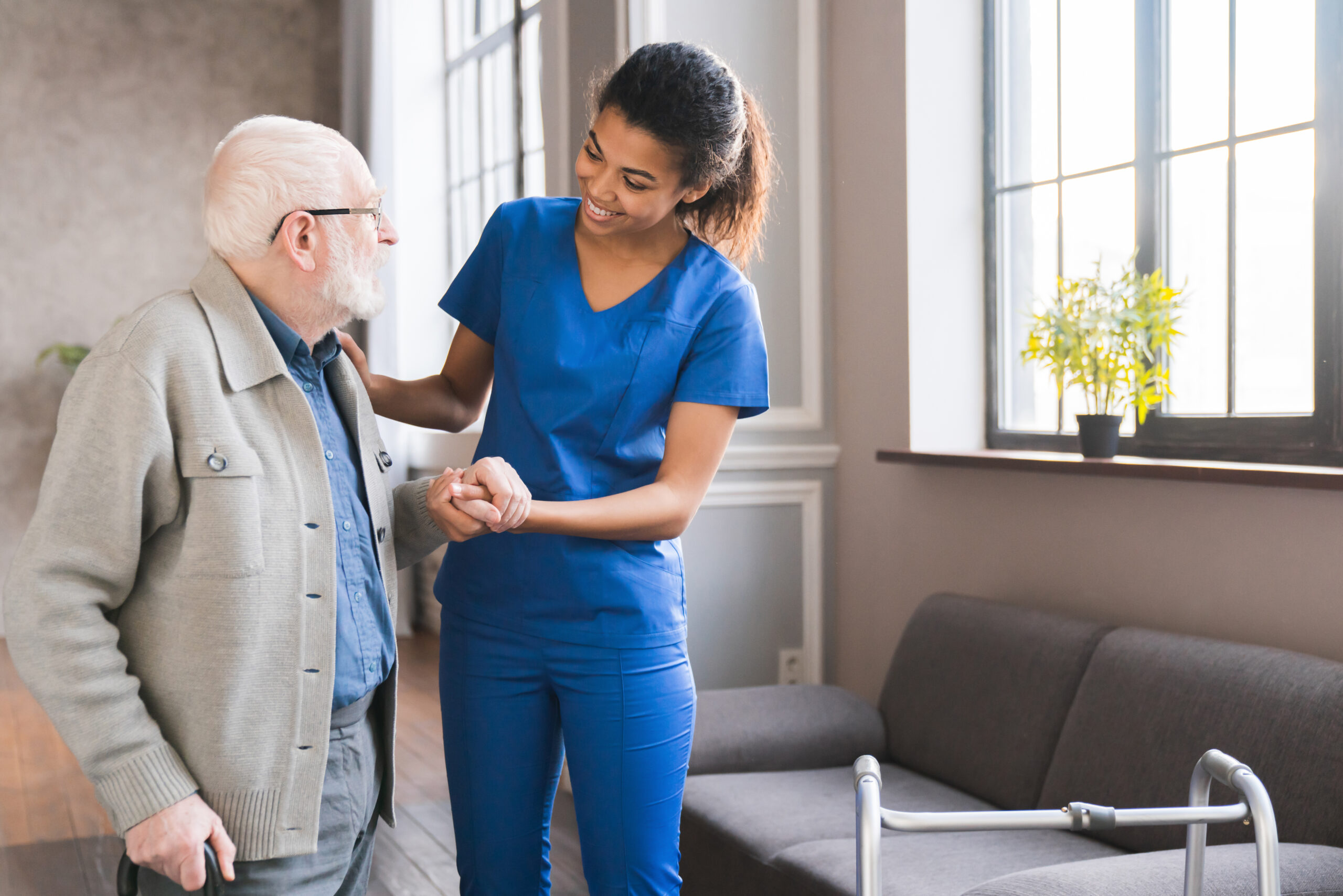
In-home care reduces readmission risk by providing consistent personalized support in a senior’s own environment. Caregivers monitor health changes, assist with daily routines, and ensure care plans are followed, all of which reduce the likelihood of a preventable return visit to the hospital.
What Role Does Medication Organization Play in Preventing Readmissions?
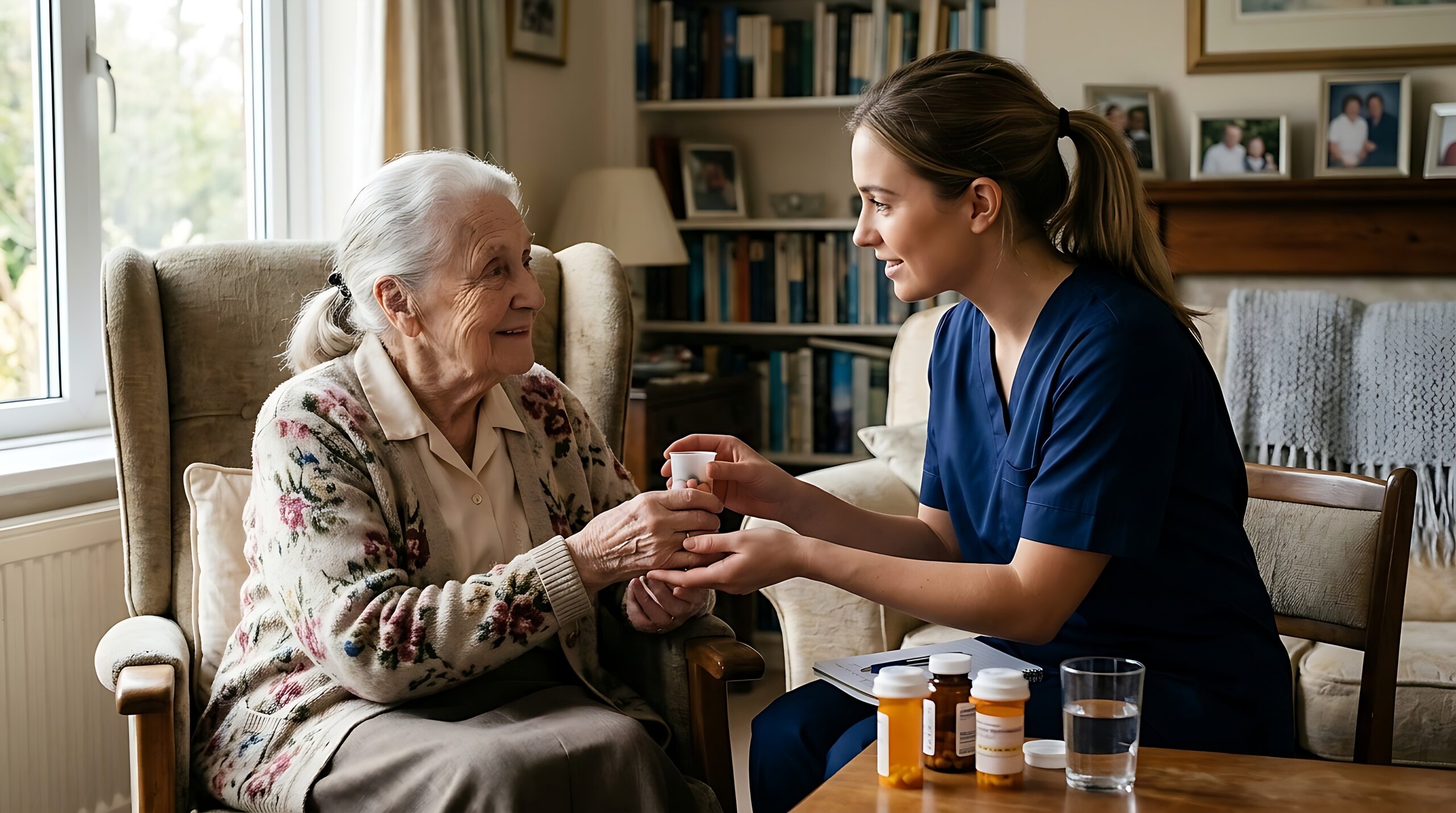
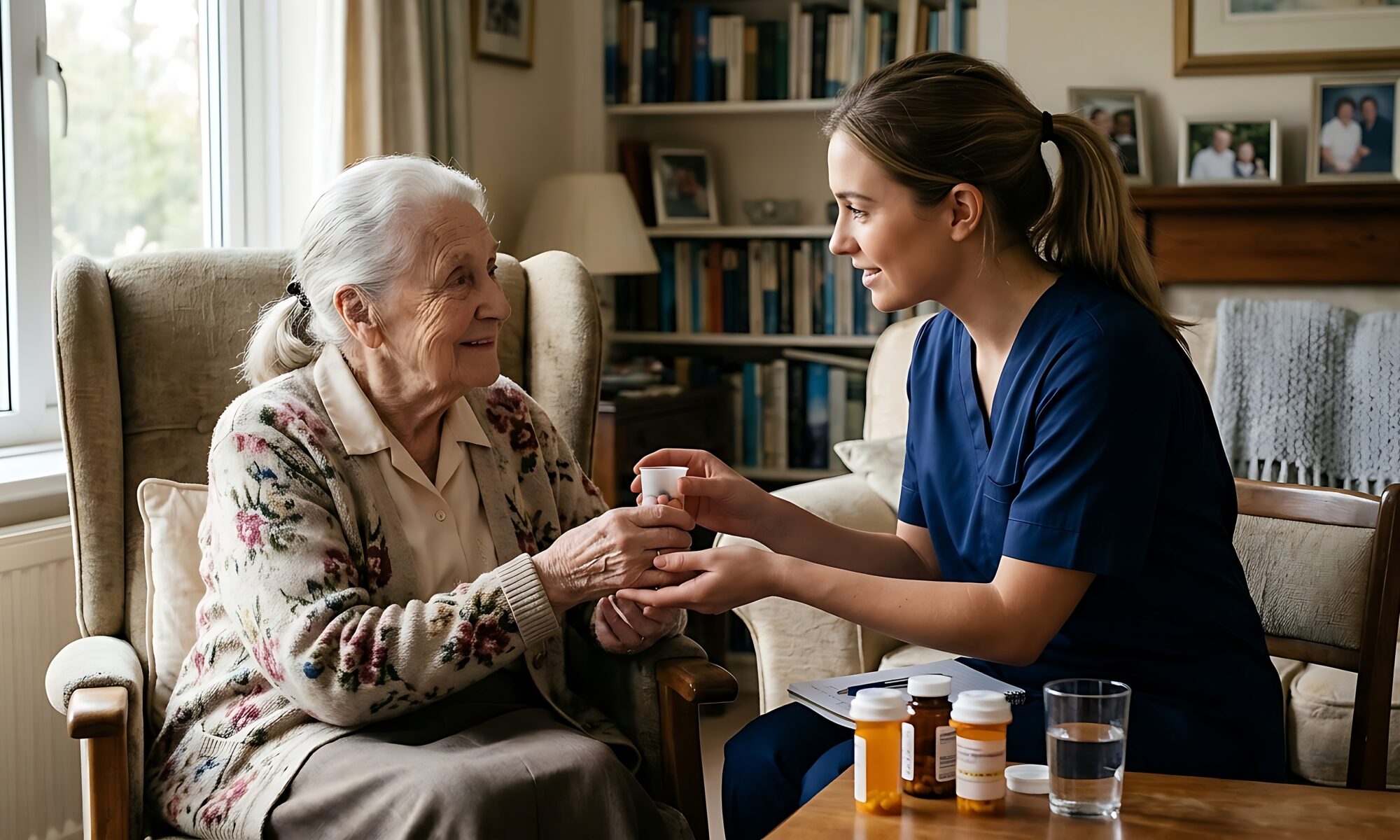
Medication errors are one of the leading causes of hospital readmissions. In-home caregivers help by:
- Reminding seniors to take medications on schedule
- Tracking dosages and refills
- Flagging any unusual reactions or missed doses for follow-up
Consistent medication adherence keeps seniors on the path to recovery and reduces preventable setbacks.
Some seniors need occasional assistance at home, and oftentimes the family members who take care of them need time away to run errands, take a nap, go to work, or take a vacation. The Libertyville respite and overnight home care experts from Assisting Hands Home Care are available on an as-needed basis, giving your family peace of mind that your loved one will remain safe and comfortable while you relax or focus on other important responsibilities.
How Does Early Symptom Monitoring Keep Seniors Out of the Hospital?
Catching warning signs early can mean the difference between a quick adjustment and a full hospital admission. In-home caregivers are trained to monitor for:
- Sudden changes in mobility or balance
- Unusual fatigue, confusion, or behavioral shifts
- Changes in appetite, weight, or vital signs
Early detection allows care teams to respond quickly, before a minor issue becomes a crisis.
A professional caregiver can monitor your loved one for post-hospitalization complications. When searching for reliable Libertyville in-home care agencies, families want to know their senior loved ones will be well taken care of. At Assisting Hands Home Care, our expertly trained caregivers are available around the clock to assist with tasks around the house, provide transportation to medical appointments and social events, and much more.
How Do Emotional and Social Support Factor into Recovery?
Recovery isn’t purely physical. Seniors who feel isolated or anxious after a hospital stay are more likely to experience complications. In-home care addresses this by:
- Providing consistent companionship and social engagement
- Reducing stress through familiar surroundings
- Encouraging seniors to stay active in their own routines
A supported senior is a more engaged senior, and engagement is a key driver of successful recovery.
Hiring a professional caregiver is a great way to support your loved one’s recovery process. Whether you need respite from your caregiving duties or your aging loved one needs Libertyville 24-hour home care, Assisting Hands Home Care can meet your family’s care needs. Our dedicated caregivers are available around the clock to provide transportation to doctor’s appointments, ensure seniors take their prescribed medications, and help with a variety of tasks in and outside the home. If you need compassionate professional care for your loved one, call one of our friendly Care Specialists today.
Frequently Asked Questions
Who benefits most from in-home care after hospitalization?
+
Those recovering from surgery, managing chronic conditions, or at risk for falls tend to benefit most, as they require ongoing monitoring and daily support during the recovery period.
How soon after discharge should in-home care begin?
+
In-home care is most effective when it begins within 24 to 48 hours of hospital discharge, ensuring continuity of care during the most vulnerable phase of recovery.
Is in-home care only for elderly people?
+
No. In-home care supports individuals of all ages who need assistance recovering from illness, injury, or surgery, regardless of age or diagnosis.
How does in-home care coordinate with a senior’s existing care team?
+
In-home caregivers typically work in collaboration with a senior’s physicians and care coordinators, sharing updates and flagging concerns to ensure everyone is aligned on the senior’s progress.
Can in-home care help those with chronic conditions avoid repeated hospitalizations?
+
Yes. For those managing conditions like heart failure, diabetes, or COPD, consistent in-home support helps them maintain stability, encouraging adherence to care plans and reducing the frequency of hospital visits.