Dehydration in seniors occurs when fluid loss exceeds intake, often due to a diminished sense of thirst, medication side effects, or mobility limitations that make accessing water difficult. Older adults are especially vulnerable because aging reduces the body’s water reserves and its ability to conserve fluids. Recognizing the early warning signs and building simple hydration habits into daily routines can significantly reduce these risks.
What Are the Warning Signs of Dehydration in Seniors?
Dehydration symptoms in older adults can be subtle and are often mistaken for normal aging. Caregivers should watch for:
- Dry mouth, cracked lips, or sunken eyes
- Dark yellow or strong-smelling urine
- Confusion, dizziness, or irritability
- Fatigue or unusual weakness
- Reduced urination frequency
Because thirst signals weaken with age, your loved one may already be dehydrated before feeling thirsty. Regular check-ins for these signs are more reliable than waiting for your loved one to ask for water.
Hydration is especially important for boosting cognitive function in seniors with Alzheimer’s or dementia. Even when families have the best intentions, caring for a senior loved one with dementia can be challenging. Fortunately, Assisting Hands Home Care is here to help. We are a leading provider of dementia care for seniors in Libertyville and nearby areas. You can take advantage of our flexible and customizable care plans, and our caregivers always stay up to date on the latest developments in senior care.
Why Are Seniors More Prone to Dehydration?
Several age-related factors increase dehydration risk. The body’s total water content naturally decreases with age, leaving less fluid reserve to draw from during illness or heat exposure. Many seniors also take diuretics or other medications that increase fluid loss. Additionally, conditions like arthritis or limited mobility can make it physically harder to prepare drinks or reach the bathroom, leading some seniors to intentionally limit fluid intake.
How Much Water Do Seniors Need Each Day?
General hydration guidelines suggest older adults aim for six to eight 8-ounce glasses of fluid daily, though individual needs vary based on body weight, activity level, and climate. Fluid can come from a mix of sources beyond plain water, including:
- Herbal teas and diluted juices
- Soups and broths
- Water-rich fruits like watermelon and oranges
- Vegetables such as cucumber and celery
Spreading intake evenly throughout the day rather than drinking large amounts at once helps the body absorb fluids more effectively.
What Are Practical Ways to Encourage Daily Hydration?
Building hydration into your loved one’s routine works better than relying on memory alone. Effective strategies include:
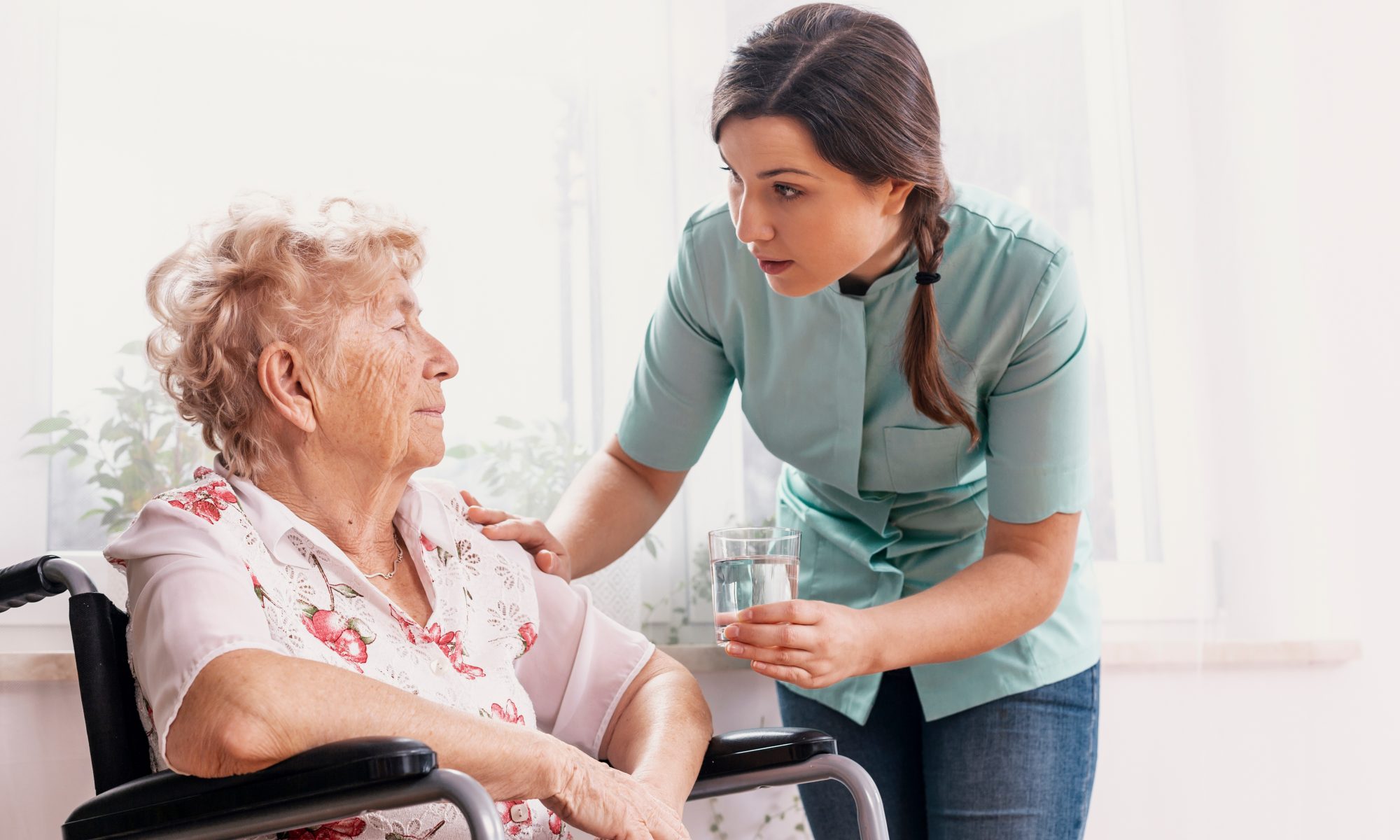
- Keeping a filled water bottle or cup within easy reach at all times
- Setting reminders or alarms for regular sips throughout the day
- Offering fluids alongside meals and medications
- Providing flavored or infused water for seniors who dislike plain water
- Using a hydration tracking chart to monitor daily intake
Caregivers who make hydration a visible scheduled part of the day tend to see more consistent results than those who leave it to chance.
To ensure your loved one is staying hydrated, consider hiring a professional caregiver. Families who find it difficult to care for their aging loved ones without assistance can benefit greatly from professional respite and overnight care Libertyville seniors can rely on. Family caregivers who need a break from their caregiving duties can turn to Assisting Hands Home Care. Our caregivers can encourage your loved one to eat well, exercise regularly, get plenty of mental and social stimulation, and focus on other lifestyle factors that promote longevity.
How Does Weather or Illness Change Hydration Needs?
Hot weather, fever, vomiting, or diarrhea can all accelerate fluid loss and increase hydration requirements. During heat waves, seniors should increase fluid intake even if they don’t feel thirsty, and caregivers should limit outdoor activity during peak heat hours. Illness-related fluid loss can escalate quickly in older adults, so tracking intake and output during recovery periods ensures hydration keeps pace with the body’s increased demands.
As a family caregiver, you should make it a point to ensure your loved one is drinking enough water daily. One of the most challenging tasks of helping an elderly relative age in place safely and comfortably is researching agencies that provide home care. Families can turn to Assisting Hands Home Care for reliable, high-quality Libertyville home care for aging adults. We offer 24-hour care for seniors who require extensive assistance, and we also offer respite care for family caregivers who need a break from their caregiving duties. Trust Assisting Hands Home Care to provide high-quality compassionate professional care for your loved one. Call one of our friendly Care Specialists today.
Frequently Asked Questions
How quickly can dehydration become serious in an older adult?
+
Dehydration can progress from mild to severe within a day or two in seniors, especially during illness or extreme heat, making early detection important.
Can dehydration affect a senior’s memory or thinking?
+
Yes. Dehydration is a common cause of temporary confusion, disorientation, and difficulty concentrating in older adults.
Are certain medications more likely to cause dehydration?
+
Diuretics, laxatives, and some blood pressure medications increase fluid loss and can raise dehydration risk in seniors taking them regularly.
Is thirst a reliable indicator of hydration status in older adults?
+
No. The sense of thirst naturally declines with age, so seniors may already be dehydrated before they feel thirsty.
Do seniors need more fluids in hot weather even if they aren’t very active?
+
Yes. Heat alone increases fluid loss through sweat and respiration, so fluid intake should rise during hot weather regardless of activity level.