A stroke changes life suddenly, not only for the person affected but also for the family providing support. Care routines become more intentional, communication takes patience, and daily decisions start to revolve around safety, dignity, and recovery. The right approach blends medical awareness with emotional understanding, creating stability while allowing gradual progress. With consistent structure and the right support system, caring for an elderly stroke survivor at home can become manageable and meaningful rather than overwhelming.
Creating a Safe and Supportive Home Environment
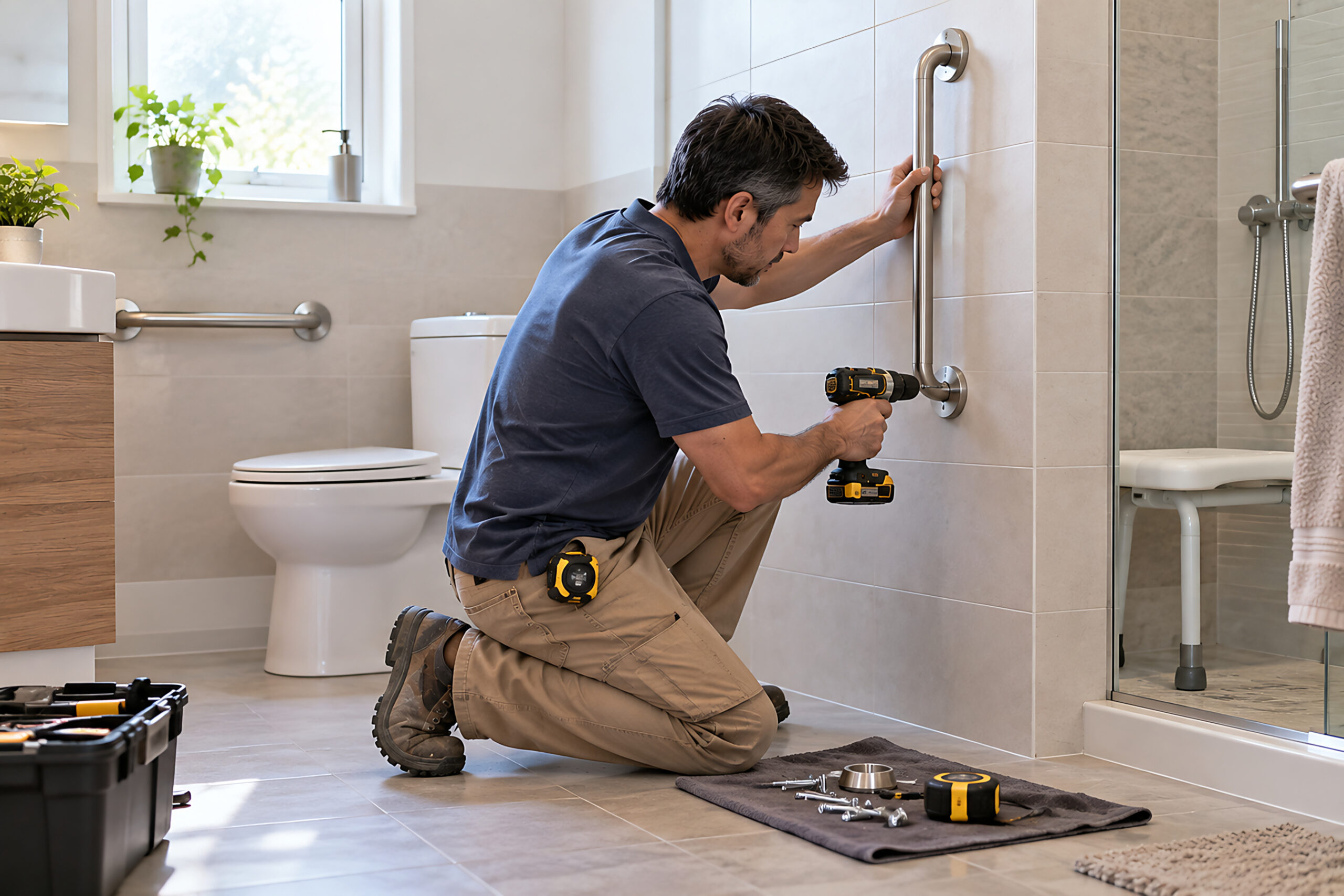
Providing dependable home care begins with adapting the living space to reduce fall risks and encourage independence. After a stroke, balance, coordination, and vision may be affected, making ordinary household features unsafe. Simple modifications such as removing loose rugs, improving lighting, and installing grab bars in bathrooms can significantly lower injury risks. Furniture should be arranged to allow clear walking paths, and frequently used items should be placed within easy reach. A calm, predictable environment also reduces confusion and anxiety, which are common during stroke recovery.
How Home Care Service Helps in Stroke Recovery
Professional home care services provide tailored support for elderly stroke survivors, ensuring safety, daily assistance, and emotional guidance. Caregivers can help with mobility exercises, medication reminders, personal care, and meal preparation while following a doctor’s instructions. They also monitor subtle changes in health, provide companionship, and offer family members guidance to reduce stress and avoid burnout. With home care services in place, seniors can continue rehabilitation at home, maintain dignity, and recover at a steady pace without feeling isolated, making the healing process smoother and more effective.
Supporting Mobility and Physical Recovery
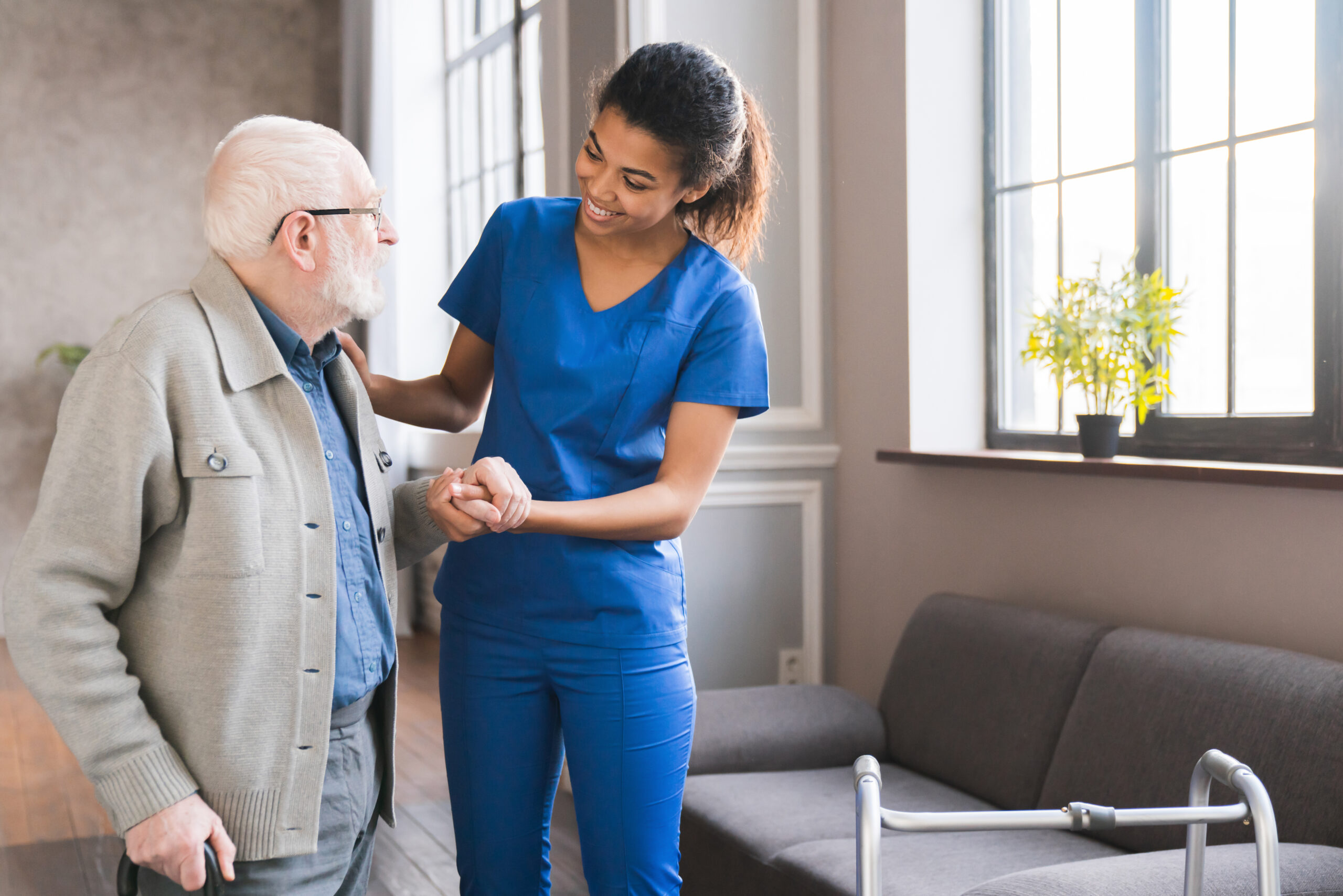
Physical limitations are among the most visible effects of a stroke, and mobility support becomes a daily responsibility. Range-of-motion exercises, assisted walking, and safe transfer techniques can prevent stiffness and muscle loss. In situations where supervision is required throughout the day and night, 24-hour care ensures continuous monitoring and safe assistance with movement. Caregivers often work alongside physical therapists, following prescribed routines that rebuild strength gradually while preventing exhaustion or injury. Consistency matters more than intensity during this phase.
Managing Daily Routines with Patience
Daily tasks such as bathing, dressing, and meal preparation can feel frustrating for stroke survivors who were once independent. Structured routines bring comfort and predictability, making tasks easier to follow. When assistance is only needed for certain parts of the day, hourly home care allows families to balance professional help with personal involvement. Encouragement should replace rushing, allowing your loved one to do as much as he or she safely can. This approach supports dignity while still meeting essential care needs.
Addressing Cognitive and Emotional Changes
Strokes often affect more than physical ability. Memory, mood, and behavior can change as well. Confusion, depression, or sudden emotional shifts are common and should be met with reassurance rather than correction. In cases where cognitive decline overlaps with recovery challenges, dementia care strategies can be adapted to support orientation, emotional stability, and communication. Maintaining eye contact, speaking slowly, and using familiar routines can reduce frustration for both you and your loved one.
Nutrition, Medication, and Health Monitoring
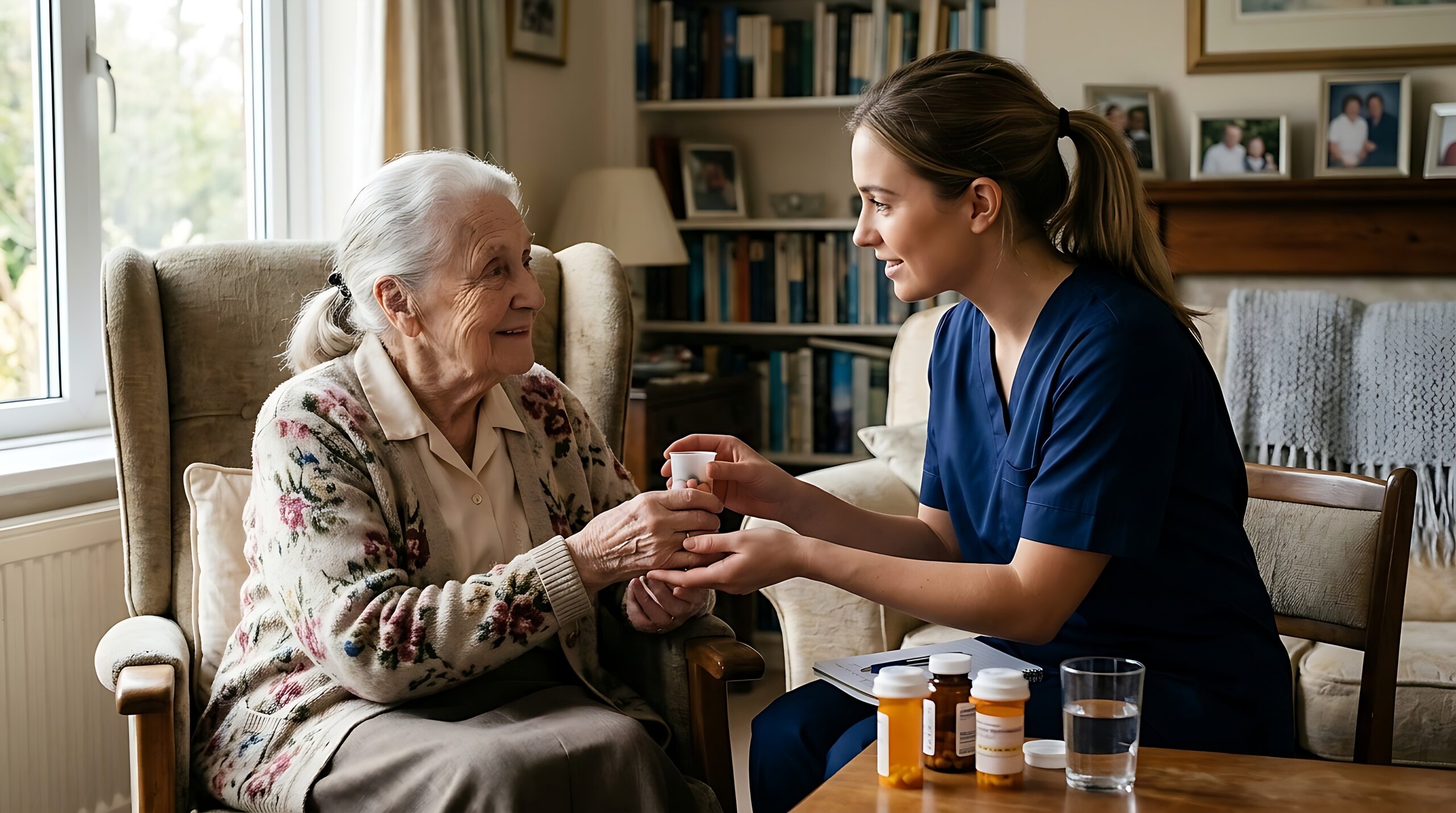
Proper nutrition fuels recovery and can prevent secondary strokes. Meals should be balanced, easy to chew if swallowing is affected, and aligned with any dietary restrictions. Medication schedules must be followed precisely, as missed doses can slow progress or increase health risks. Monitoring blood pressure, hydration levels, and sleep patterns provides early warning signs of complications. Keeping a simple daily log helps caregivers track changes and communicate effectively with healthcare providers during follow-up visits.
Emotional Wellbeing and Family Involvement
Stroke recovery is emotionally demanding. Feelings of grief, fear, or helplessness are common, and emotional care is just as important as physical assistance. Gentle conversation, shared activities, and celebrating small milestones foster motivation. Family members should rotate responsibilities when possible to avoid burnout. Support groups and counseling can also help caregivers process stress and maintain long-term resilience.
Stroke Care at Home with Assisting Hands Home Care in Libertyville
Caring for an elderly stroke survivor requires patience, structured routines, and the right level of daily support. Assisting Hands Home Care works closely with families by providing compassionate home care Libertyville services that help stroke survivors recover safely at home. Our trained caregivers assist with mobility support, personal care, medication reminders, meal preparation, and gentle exercises recommended by healthcare professionals. By creating personalized care plans and offering consistent one-on-one attention, we help seniors regain confidence, improve daily functioning, and maintain comfort in familiar surroundings while giving families peace of mind that their loved one is receiving dependable care.
Key Areas of Stroke Care at Home
The following points highlight essential focus areas when caring for an elderly stroke survivor at home:
- Safe mobility and fall prevention
- Consistent daily routines
- Emotional reassurance and communication
- Proper nutrition and medication adherence
- Ongoing coordination with healthcare professionals
Common Stroke Care Needs and Support Focus
| Care Area | Primary Goal | Caregiver Focus |
| Mobility Support | Prevent falls and increase strength | Assisted walking, transfers |
| Personal Care | Maintain hygiene and dignity | Bathing and dressing assistance |
| Cognitive Support | Reduce confusion and anxiety | Routine, calm communication |
| Health Monitoring | Prevent complications | Medications, vitals tracking |
Frequently Asked Questions
How long does stroke recovery usually take for seniors?
+
Recovery timelines vary widely depending on the stroke severity and the senior’s overall health. Some improvements may appear within weeks, while others may take months. Ongoing support plays a major role in progress.
Can an elderly stroke survivor live safely at home?+
Yes, with proper home modifications and consistent care, many seniors recover safely at home. Supervision levels should match their physical and cognitive abilities.
What are common emotional changes after a stroke?+
Depression, mood swings, and frustration are common after a stroke. Emotional support and patience are essential parts of daily care.
How can caregivers prevent burnout?+
Sharing responsibilities, taking breaks, and seeking professional assistance can prevent exhaustion. Caregiver wellbeing directly impacts care quality.
When should professional care be considered?+
Professional care becomes important when safety, mobility, or health needs exceed what family members can manage alone. Early support often enhances long-term outcomes.