Integrating safe transfer techniques in daily senior in-home care involves utilizing proper body mechanics and appropriate mobility equipment to move older adults securely between surfaces like beds and chairs. Caregivers must prioritize clear pathways, stable leverage, and open communication to prevent falls and physical strain. These consistent daily practices empower older adults to maintain routine mobility safely and comfortably.
What Are the Fundamental Principles of Safe Transfers?
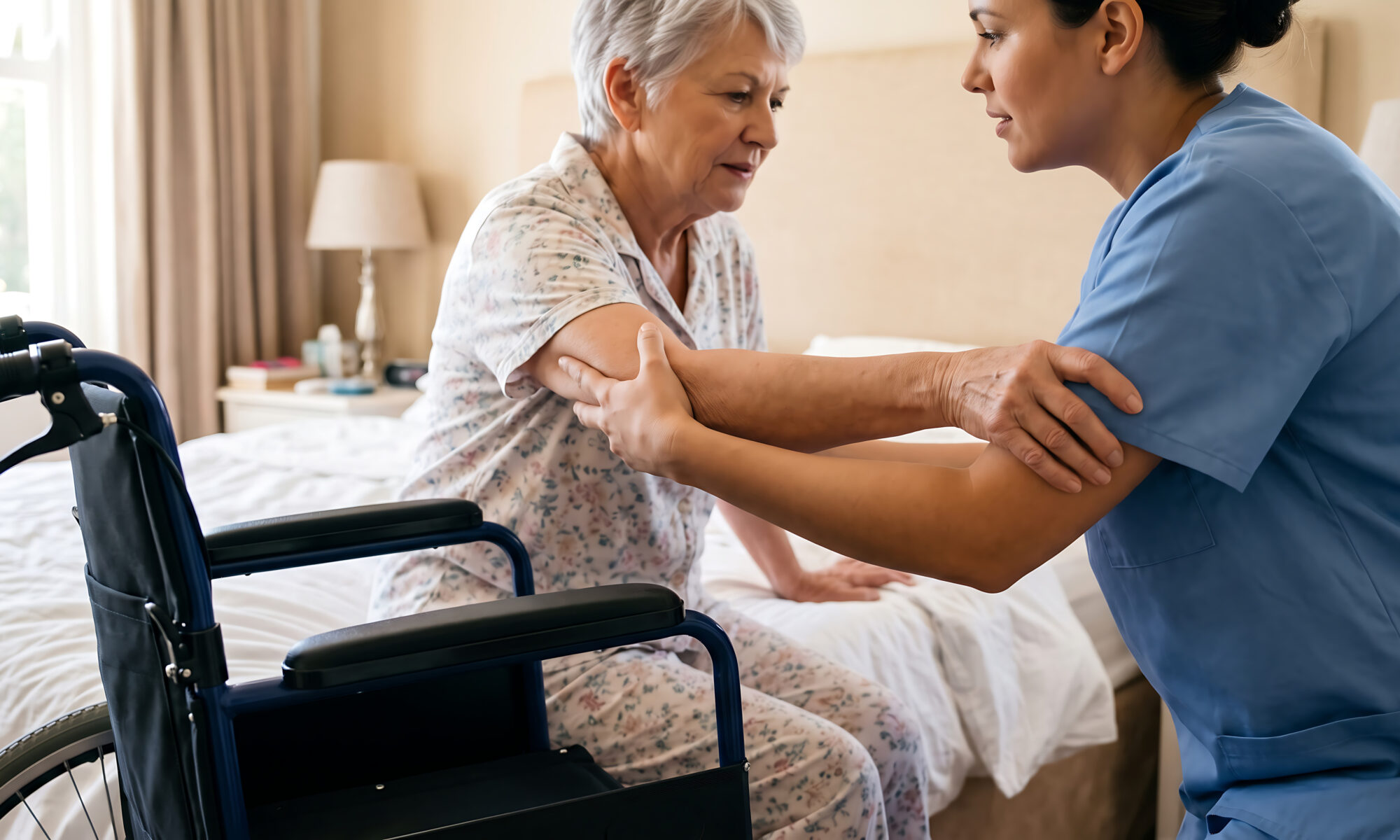
The fundamental principles of safe transfers rely on proper caregiver body mechanics and mutual cooperation to ensure stability. Caregivers should always maintain a wide base of support by keeping their feet shoulder-width apart and bending at the knees rather than the waist. To minimize physical strain, the person assisting must keep the older adult close to his or her own center of gravity during the movement. Key principles include:
- Using the strength of the legs rather than the back to lift or guide
- Pivoting the feet instead of twisting the spine when changing directions
- Moving with slow, predictable motions to maintain balance
If you’re the primary family caregiver for an elderly loved one, top-rated 24-hour home care for Libertyville seniors is available around the clock if your loved one’s health has become too difficult to manage without professional expertise. At Assisting Hands Home Care, we take measures to help seniors prevent illness and injury by assisting with exercise and mobility, preparing nutritious meals, helping with bathing and other personal hygiene tasks, and much more.
How Can Caregivers Prepare the Environment for a Transfer?
Caregivers can prepare the environment for a transfer by removing physical obstacles and ensuring all relevant surfaces are stable and locked. Environmental preparation is a critical preventative measure against tripping hazards and unexpected slips. Before initiating any movement, caregivers should:
- Clear the pathway of loose rugs, electrical cords, and clutter
- Ensure the wheels on wheelchairs, beds, or commodes are firmly locked
- Adjust the height of the receiving surface so the senior can transition with minimal elevation change
- Verify the room has adequate lighting to clearly see the transfer path
Which Mobility Aids Facilitate Safe Movement?
Mobility aids facilitate safe movement by providing physical support, reducing friction, and offering secure grip points for both the senior and the caregiver. Choosing the right tool depends heavily on the older adult’s current core strength and ability to bear weight. Common in-home transfer aids include:
- Gait belts – Securely buckled around the senior’s waist to give the caregiver a firm, safe handhold
- Transfer boards – Smooth wooden or plastic planks used to bridge the gap between a bed and a wheelchair for individuals who cannot stand
- Pivot discs – Rotating floor devices that allow seniors to turn smoothly without twisting their ankles or knees
A trained caregiver with experience in caring for seniors with mobility limitations can be a fantastic resource for family members. Libertyville home care service experts are available to provide high-quality care to seniors on an as-needed basis. From assistance with mobility and exercise to providing transportation to the doctor’s office and social events, there are a variety of ways professional caregivers can help your aging loved one continue to live independently.
How Should Caregivers Communicate during the Transfer Process?
Caregivers should communicate during the transfer process by providing clear, step-by-step instructions and confirming the older adult’s readiness before any movement occurs. Verbal coordination prevents surprises that could lead to sudden jerking or loss of balance. Effective communication strategies involve:
- Explaining the exact destination and the steps required to get there
- Using a standardized countdown (such as “ready, set, stand”) to synchronize the movement
- Asking the senior to report any pain, dizziness, or discomfort immediately
- Encouraging the older adult to assist as much as he or she safely can, such as pushing off the armrests
Family caregivers need to care for their own wellbeing. If you’re caring for an aging loved one and are feeling overwhelmed, consider hiring a professional caregiver to provide respite and overnight home care Libertyville families can trust. To prevent burnout, you can turn to Assisting Hands Home Care. One of our professional caregivers can assist your loved one at home while you take a nap, go to work, run errands, or go on vacation. If your loved one needs assistance with the challenges of aging, reach out to one of our knowledgeable, compassionate Care Specialists today.
Frequently Asked Questions
How do you safely transfer a senior who cannot assist?
+
For an older adult who cannot bear weight or assist in the movement, caregivers should utilize mechanical aids like Hoyer lifts to complete the transfer safely. Relying solely on manual lifting in this scenario drastically increases the risk of dropping the senior or injuring the caregiver.
What’s the best way to prevent caregiver back strain?
+
The best way to prevent caregiver back strain is to consistently bend at the knees, keep the back straight, and rely on leg muscles to generate power. Caregivers should also keep the senior’s body as close to their own center of gravity as possible to reduce spinal leverage.
Are gait belts necessary for every daily transfer?
+
Gait belts are highly recommended for any transfer where the older adult requires physical guidance, balance support, or partial lifting. They provide a safe alternative to grabbing the senior’s arms or clothing, which can cause bruising or skin tears.
How can families encourage seniors to participate in transfers?
+
Families can encourage participation by allowing seniors to do exactly what their strength permits, such as grasping a rail or pushing up from a seated position. Giving older adults enough time to move at their own pace fosters independence and preserves their dignity