Families today are rethinking what aging with dignity truly means, and as preferences shift toward comfort, familiarity, and personalized support, traditional nursing homes may no longer remain the dominant long-term care option for seniors.
Seniors Want Personal Freedom More than Ever
Older adults today value independence, emotional comfort, and the familiarity of home. Many families now explore options like home care to support their aging loved ones without disrupting their lifestyles. Seniors want control over their meals, schedules, hobbies, and surroundings—things often limited in institutional environments. This growing preference creates a major shift away from nursing homes, as aging in place offers privacy, autonomy, and a sense of emotional security unmatched by communal facilities. As more seniors prioritize dignity and choice, in-home support continues replacing outdated institutional models.
Rising Demand for Flexible, Hourly-Based Assistance
One of the biggest reasons nursing homes may become obsolete is the flexibility modern families require. Many seniors only need help for a few hours a day rather than around-the-clock supervision. This makes hourly care a far more attractive option than relocating to a nursing home for minimal assistance. Families can adjust hours based on changing health, allowing seniors to stay home while receiving just the right level of help. This adaptable approach aligns perfectly with today’s lifestyles, medical trends, and financial realities.
Live-In Support Offers Full Safety without Facility Living
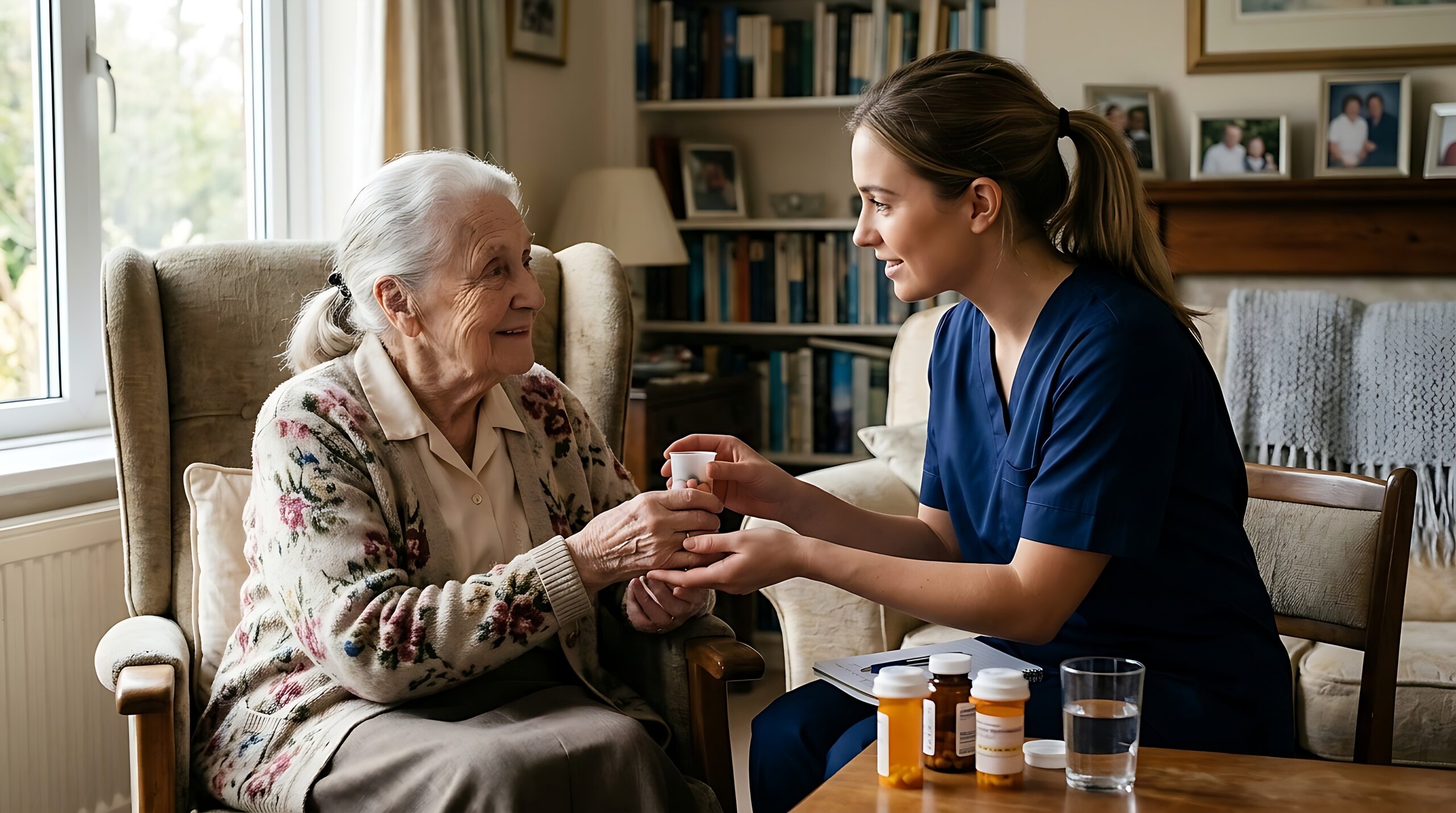
For seniors who need continuous supervision, live-in care has become a powerful alternative to institutional settings. Live-in caregivers stay in the home, providing companionship, meal preparation, mobility support, medication reminders, and nighttime assistance. This ensures safety without the discomfort of living in a crowded facility. Families appreciate the emotional stability live-in support brings, one caregiver, one familiar environment, and no rotating staff. As this model becomes more common, many people question the long-term necessity of traditional nursing homes.
Aging in Place Aligns with Mental & Emotional Wellbeing
Psychological research shows that seniors who age in familiar surroundings experience better emotional stability, stronger memory function, and reduced stress. Leaving home, even temporarily, often increases anxiety and loneliness, amplifying health challenges. In contrast, aging in place supports identity, personal history, and community ties. Even during health challenges, personalized support at home enhances confidence and maintains routine—two key factors in healthy aging. This emotional advantage continues pushing families toward customized in-home arrangements.
Technology Has Replaced Many Nursing Home Functions
Smart health devices, fall-detection tools, telemedicine, and remote monitoring allow families to keep seniors safe without institutional care. What once required nursing staff can now be managed through home-based technology paired with trained caregivers. Below is a simple table showing how technology now matches or exceeds nursing home services:
Technology vs. Facility Functions
| Home Technology | Nursing Home Function | Benefit to Seniors |
| Fall detectors | Staff monitoring | Faster home alerts |
| Medication apps | Medication carts | Accurate reminders |
| Telehealth | On-site clinic visits | Zero travel stress |
| Home cameras | Hallway supervision | Peace of mind |
With these advancements, nursing home necessity continues to decline.
24-Hour In-Home Support Now Matches Institutional Care
Families once relied on nursing facilities for constant supervision, but today services like 24-hour care provide around-the-clock support in the comfort of home. Seniors receive assistance from rotating caregivers who ensure safety, mobility support, meal prep, and overnight monitoring. This gives families the same security as a facility—without the environment that often feels restrictive or impersonal. As demand grows, continuous in-home care is quickly replacing nursing home stays.
In-Home Care Supports Family Involvement
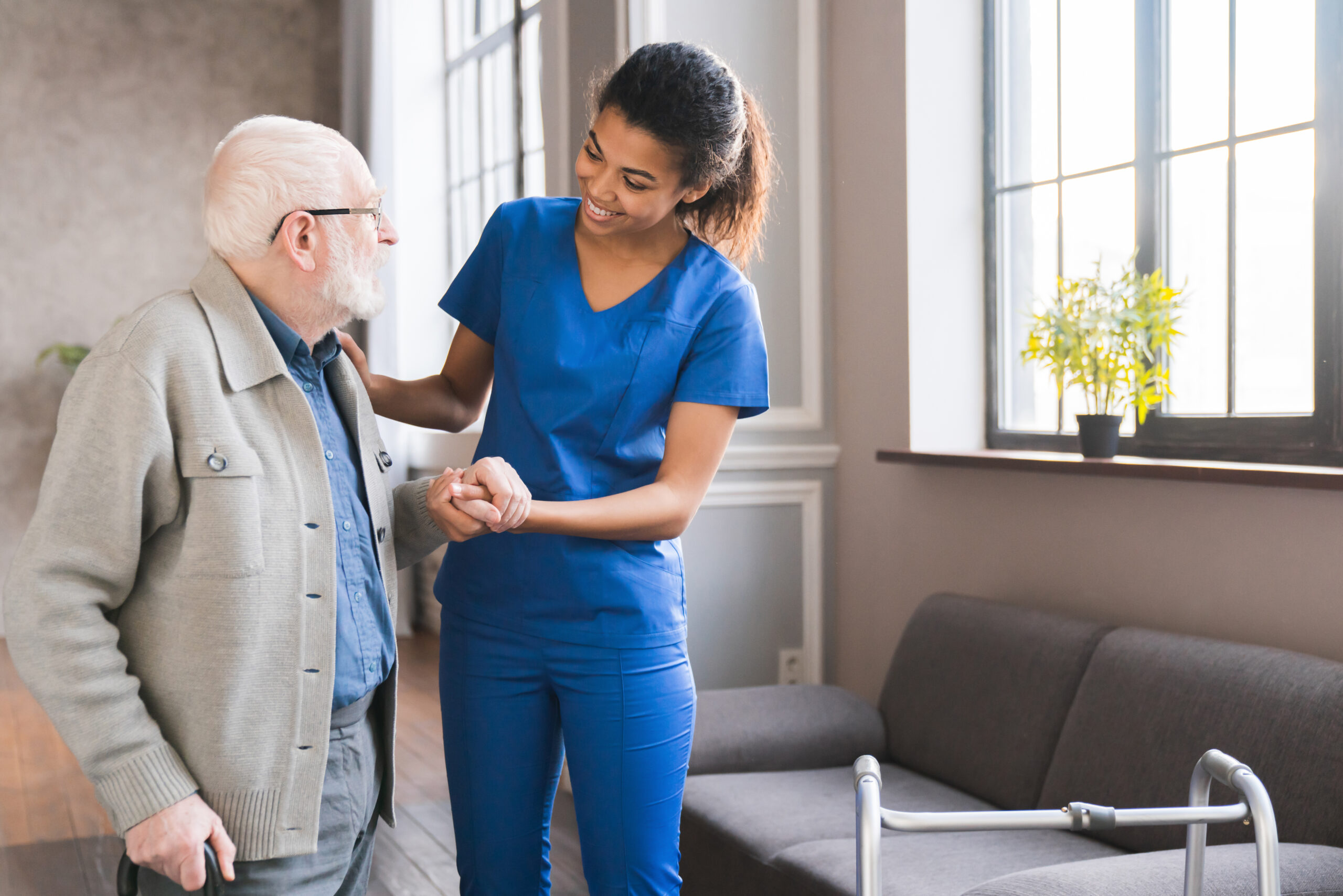
Unlike nursing homes, where schedules, visitation rules, and staff protocols limit involvement, home-based care keeps families deeply connected. Loved ones can participate in mealtimes, activities, physical therapy routines, and emotional support. Family presence enhances mood, boosts engagement, and strengthens a senior’s sense of belonging. This collaborative care approach is one of the biggest reasons home-based support is becoming the preferred choice for long-term wellness.
Home-Based Support Is Emotionally Calming
Seniors feel safer and less anxious when surrounded by familiar people, belongings, and spaces. Even medical tasks like wound care or medication management feel more comfortable at home. Calm emotional environments reduce confusion, behavioral stress, and cognitive strain, especially for seniors with memory challenges. This emotional advantage has made home care the gold standard for aging adults who want comfort over clinical surroundings.
Families Trust Personalized Care More than Institutional Care
Institutions often have staffing shortages, rotating shifts, and limited one-on-one interaction. Home support delivers stable, consistent attention from caregivers who build deeper relationships with their clients. This personal approach strengthens trust and enhances health outcomes. Families now prioritize individualized care plans instead of facility routines, contributing to the growing shift toward aging in place.
The Growing Preference for In-Home Support with Assisting Hands Home Care in Libertyville
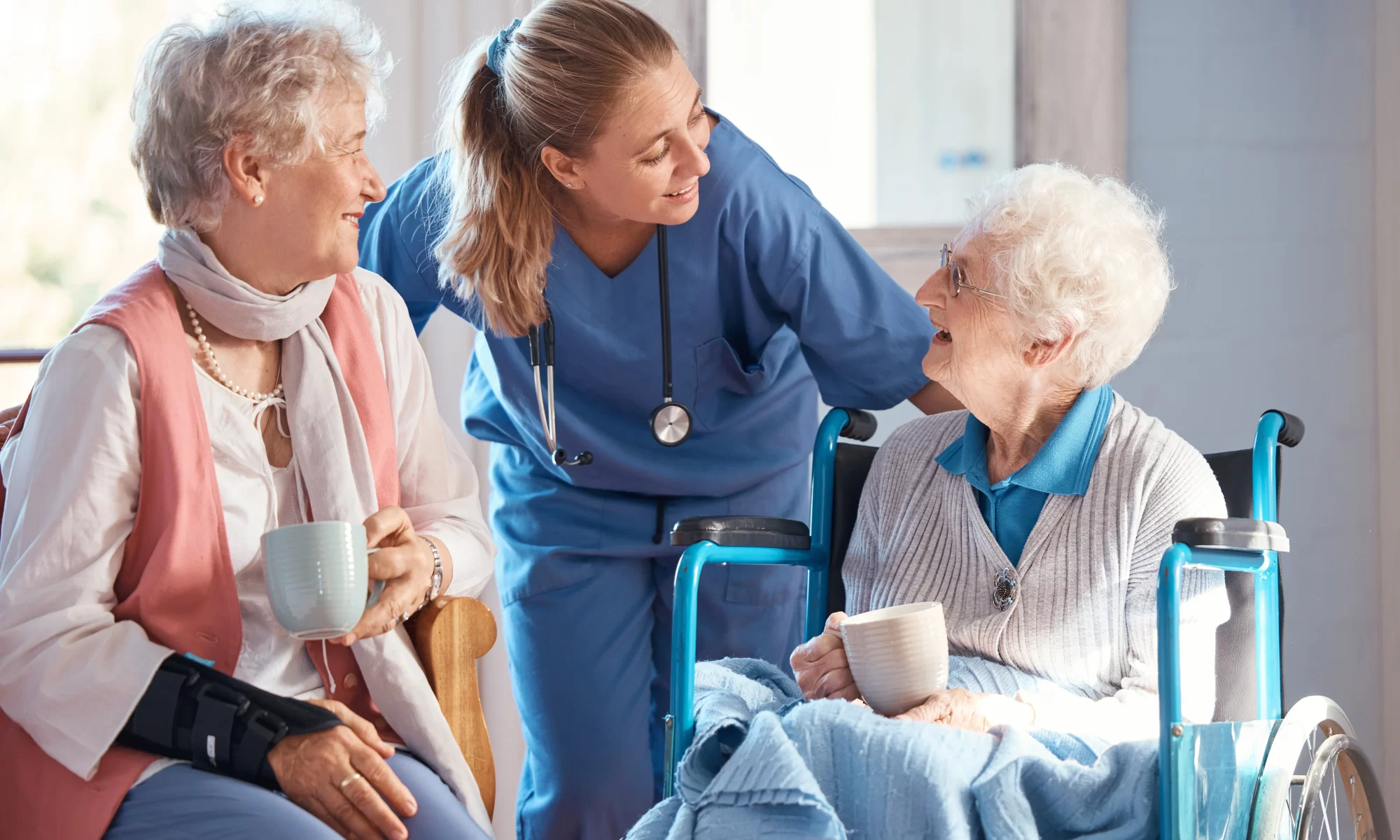
Many families today are exploring alternatives to traditional nursing homes, especially when seniors can receive personalized support in the comfort of their own homes. Assisting Hands Home Care provides compassionate and flexible assistance through trusted home care Libertyville services that allow seniors to maintain independence while still receiving the help they need. Our caregivers support daily activities such as personal care, meal preparation, mobility assistance, medication reminders, and companionship, all within a familiar environment. By delivering one-on-one care tailored to each individual’s needs, we help seniors remain safe, comfortable, and connected to their routines, making in-home care an increasingly preferred option for many families.
Unique Daily Care Enhancements that Make Home Support More Effective
- One-on-one caregiver attention increases personalized monitoring.
- Familiar surroundings reduce stress and confusion.
- Home privacy enhances dignity and emotional comfort.
- Families can modify care instantly as needs change.
- Daily routines support healthier long-term aging.
Frequently Asked Questions
Why are more families choosing in-home care over nursing homes?
+
Families choose in-home care because it offers comfort, personalized support, and emotional security. Seniors remain in familiar surroundings, which boosts mood and independence. This shift has led to declining interest in institutional living.
Can in-home care offer the same safety as a nursing home?+
Yes, with trained caregivers and modern technology, home environments can provide equal or better safety. Monitoring tools, mobility assistance, and professional supervision can prevent accidents. Families often feel more confident with individualized support.
Does in-home care help seniors stay independent longer?+
Absolutely. Aging in place preserves routines, social connections, and personal freedom. Seniors feel more engaged and in control, which positively affects their long-term wellbeing. Independence is a major reason nursing homes are becoming less preferred.
Is technology reducing the need for nursing facilities?+
Yes, telehealth, monitoring devices, and medication apps now replace many in-facility services. These tools allow seniors to manage health from home while receiving caregiver support. This technological shift increases home-based care demand.
Will nursing homes eventually disappear completely?+
Nursing homes may remain for high-acuity medical cases, but their overall use is expected to decline. Most families now prefer personalized home-based models. As innovation continues, in-home care will likely become the dominant choice.