Healing after surgery isn’t just about rest. It’s about giving your body the right support at the right time. Recovery improves when daily habits, nutrition, movement, and emotional comfort work together. Small, consistent actions often matter more than drastic changes. When post-surgical care is planned thoughtfully, the body can regain strength, reduce complications, and return to daily life more smoothly.
Creating a Healing-Friendly Home Environment
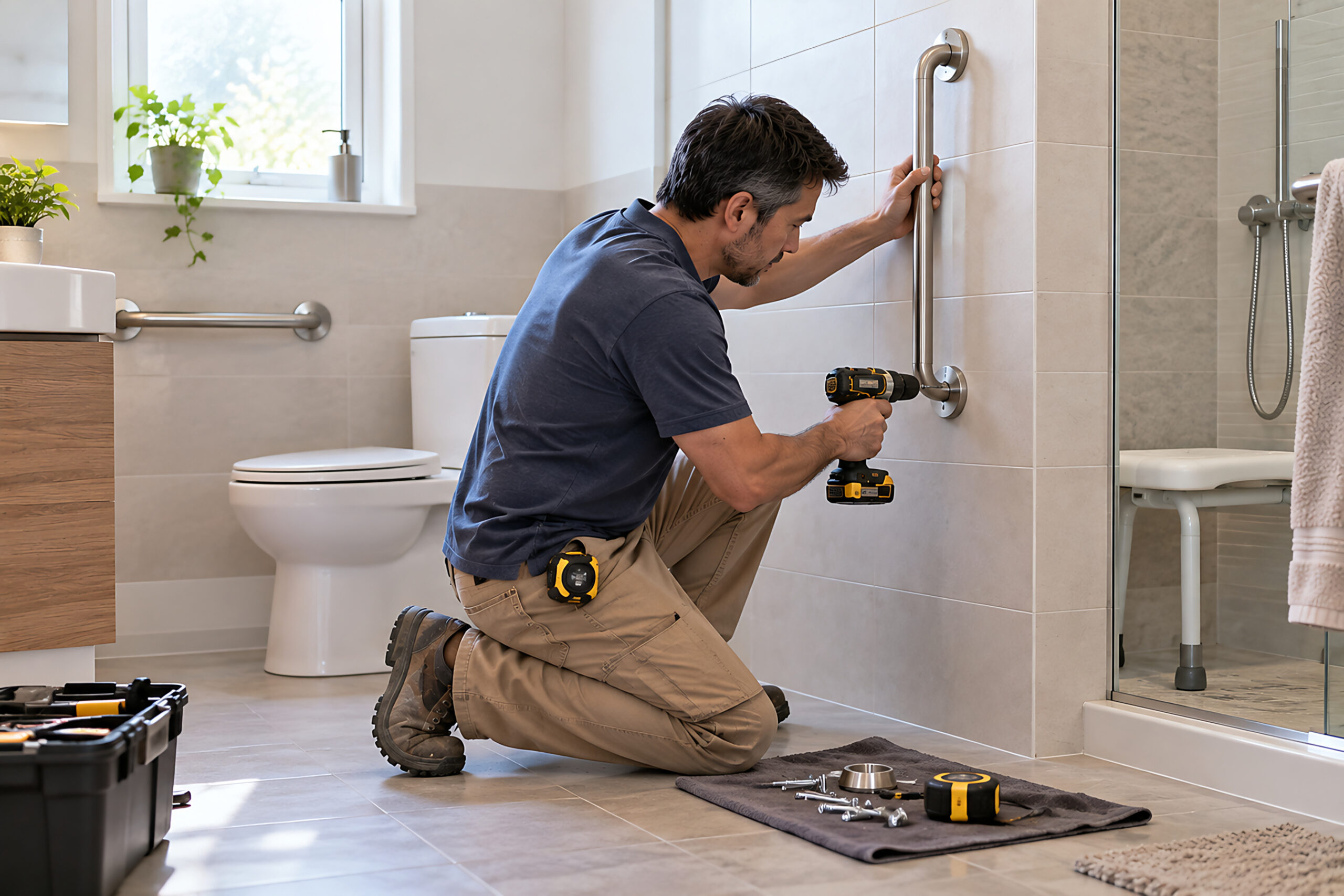
A calm, organized recovery space plays a major role in faster healing. When home care support is introduced early in recovery, seniors benefit from safer mobility, medication reminders, and reduced physical strain. Proper lighting, clear walkways, supportive bedding, and easy access to essentials lower the risk of falls and overexertion. Emotional reassurance also reduces stress hormones, which can otherwise slow wound healing. A supportive environment allows the body to focus energy on repair instead of coping with daily challenges.
How Home Care Service Supports Faster Post-Surgical Recovery
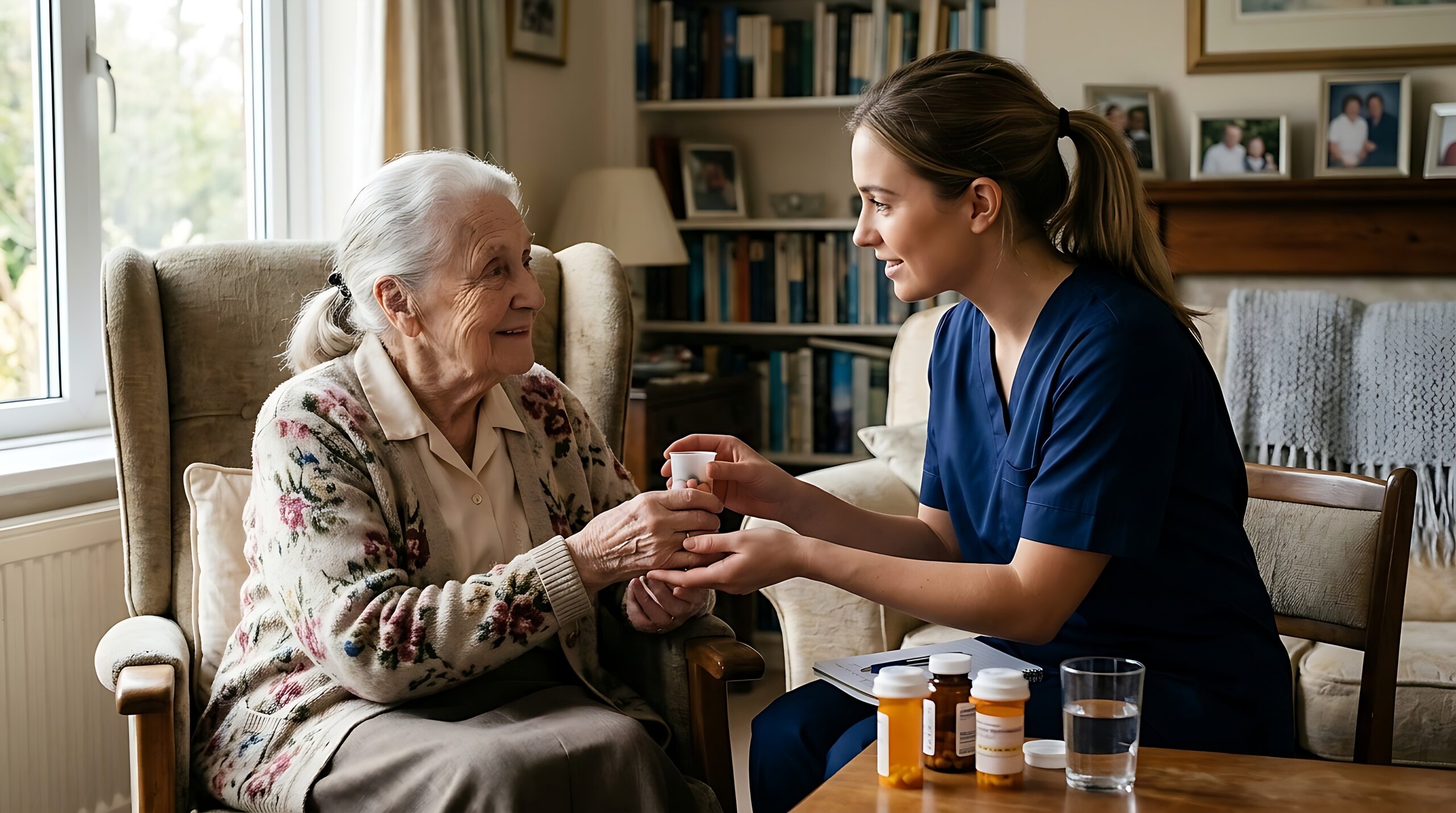
Professional home care services provide seniors and adults recovering from surgery with personalized support to speed healing. Caregivers assist with medication reminders, balanced meals, hydration, and gentle mobility, ensuring routines are followed safely. They monitor vital signs, track subtle changes, and offer companionship to reduce stress, which can affect recovery. With home care services in place, seniors often experience safer movement, timely nutrition, and emotional reassurance. This tailored support promotes faster tissue repair, reduces risk of complications, and allows seniors to regain independence confidently while easing the burden on family caregivers.
Nutrition that Accelerates Post-Surgical Recovery
The body needs extra nutrients after surgery to rebuild tissue and fight infection. Protein supports muscle and wound repair, while vitamins C and A assist immune response and skin healing. Hydration is equally important, as fluids transport nutrients and remove waste. For individuals who need around-the-clock support with meals and hydration 24-hour care ensures consistent nutrition without missed meals. Balanced eating, rather than restrictive dieting, gives the body the fuel it needs to recover efficiently.
Safe Movement and Physical Activity after Surgery
While rest is essential, gentle movement often speeds up recovery. Light walking increases circulation, reduces stiffness, and lowers the risk of blood clots. The key is guided, gradual activity based on medical advice. Seniors or younger adults who need assistance resuming daily movement can benefit from hourly home care, which provides help during specific times without overwhelming the individual. Consistent, safe activity can restore strength while protecting surgical sites.
Managing Pain and Preventing Complications
Effective pain management supports healing by allowing better sleep and movement. Pain should be monitored, not ignored, as unmanaged discomfort can limit mobility and slow recovery. Proper wound care, hygiene, and infection prevention are equally critical. Swelling, redness, or unusual discomfort should be addressed promptly. A structured daily routine helps caregivers notice subtle changes early, preventing minor issues from becoming major setbacks.
Recovery Challenges for Individuals with Cognitive Impairment
Post-surgical recovery becomes more complex for individuals with memory or cognitive challenges. Confusion may lead to missed medications, unsafe movements, or disrupted sleep. In such cases, dementia care approaches, like visual cues, calm guidance, and routine reinforcement, can support both safety and healing. Familiar routines reduce anxiety, helping the body recover without added emotional stress.
Post-Surgery Recovery Support from Assisting Hands Home Care in Libertyville
Recovering after surgery can be challenging for seniors, especially when daily tasks become difficult during the healing process. Assisting Hands Home Care provides compassionate support through personalized home care Libertyville services that help seniors recover safely and comfortably at home. Our caregivers assist with mobility support, medication reminders, meal preparation, and light daily activities that promote a smoother recovery. By creating a safe and supportive environment and following care routines recommended by healthcare professionals, we help seniors regain strength more quickly while reducing stress for family members.
Essential Habits that Support Faster Healing
Focusing on a few core recovery habits makes healing more manageable and effective:
- Adequate sleep and consistent rest periods
- Balanced meals with protein, vitamins, and fluids
- Gentle daily movement as approved by a physician
- Proper wound care and hygiene
- Emotional reassurance and reduced stress
Key Factors that Influence Post-Surgical Healing
| Recovery Factor | How It Helps Healing | Care Support Role |
| Proper Nutrition | Tissue repair and immunity | Meal planning and hydration |
| Gentle Activity | Circulation and strength | Assisted movement |
| Pain Management | Better sleep and mobility | Monitoring and comfort support |
| Safe Environment | Reduced fall and injury risk | Home organization and supervision |
Frequently Asked Questions
How long does it take to heal after surgery?
+
Recovery time depends on the type of surgery, age, and overall health. Some heal in weeks, others may take months.
Does walking really help after surgery?+
Yes, light walking increases circulation and reduces stiffness when done safely and with medical approval.
What foods help with healing after surgery?+
Protein-rich foods, fruits, vegetables, and adequate fluids support tissue repair and immune function.
Is rest more important than movement after surgery?+
Both are important. Rest allows repair, while gentle movement prevents complications and stiffness.
When should I worry about slow healing?+
Signs like increased pain, swelling, fever, or wound changes should be reported to a healthcare provider promptly.