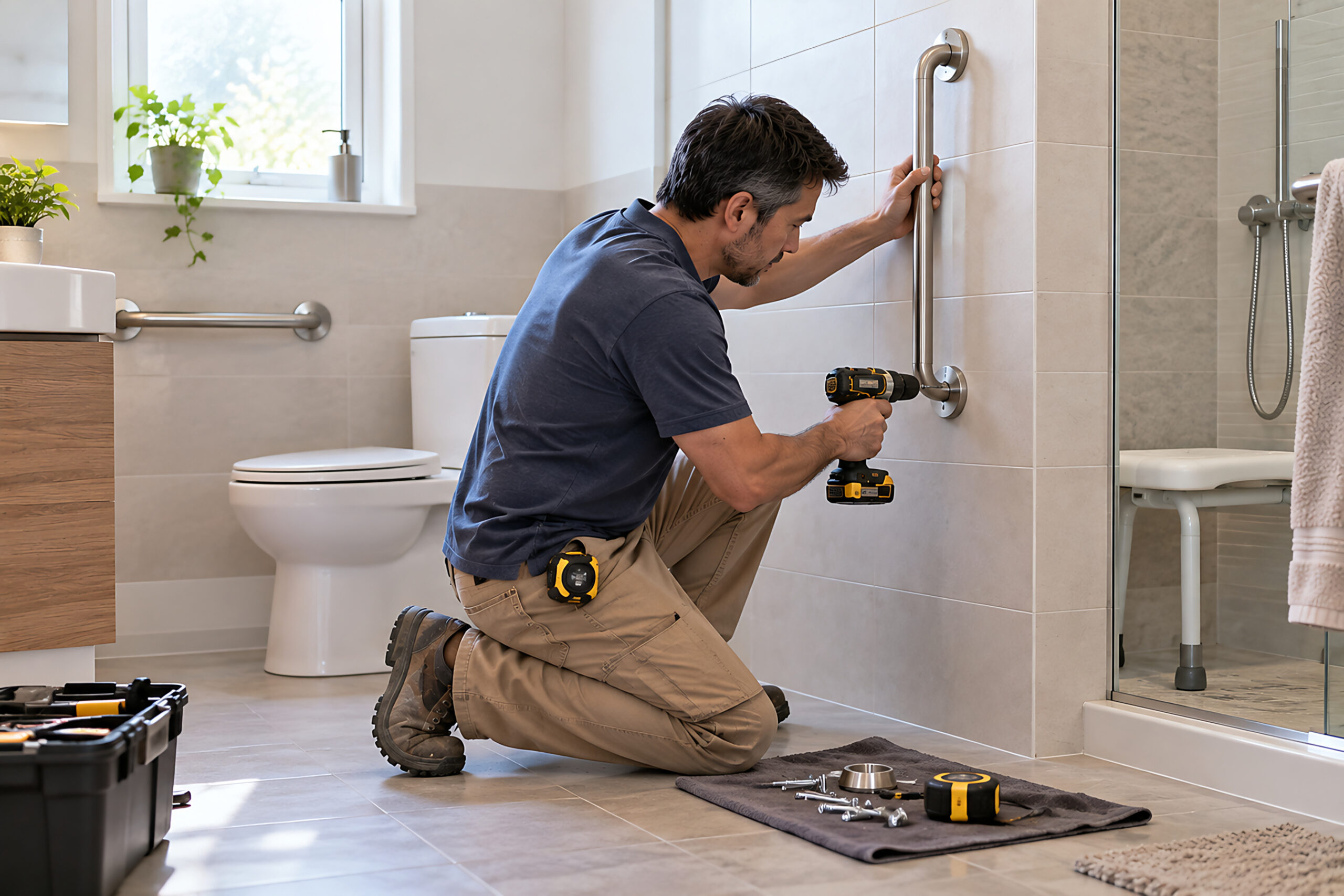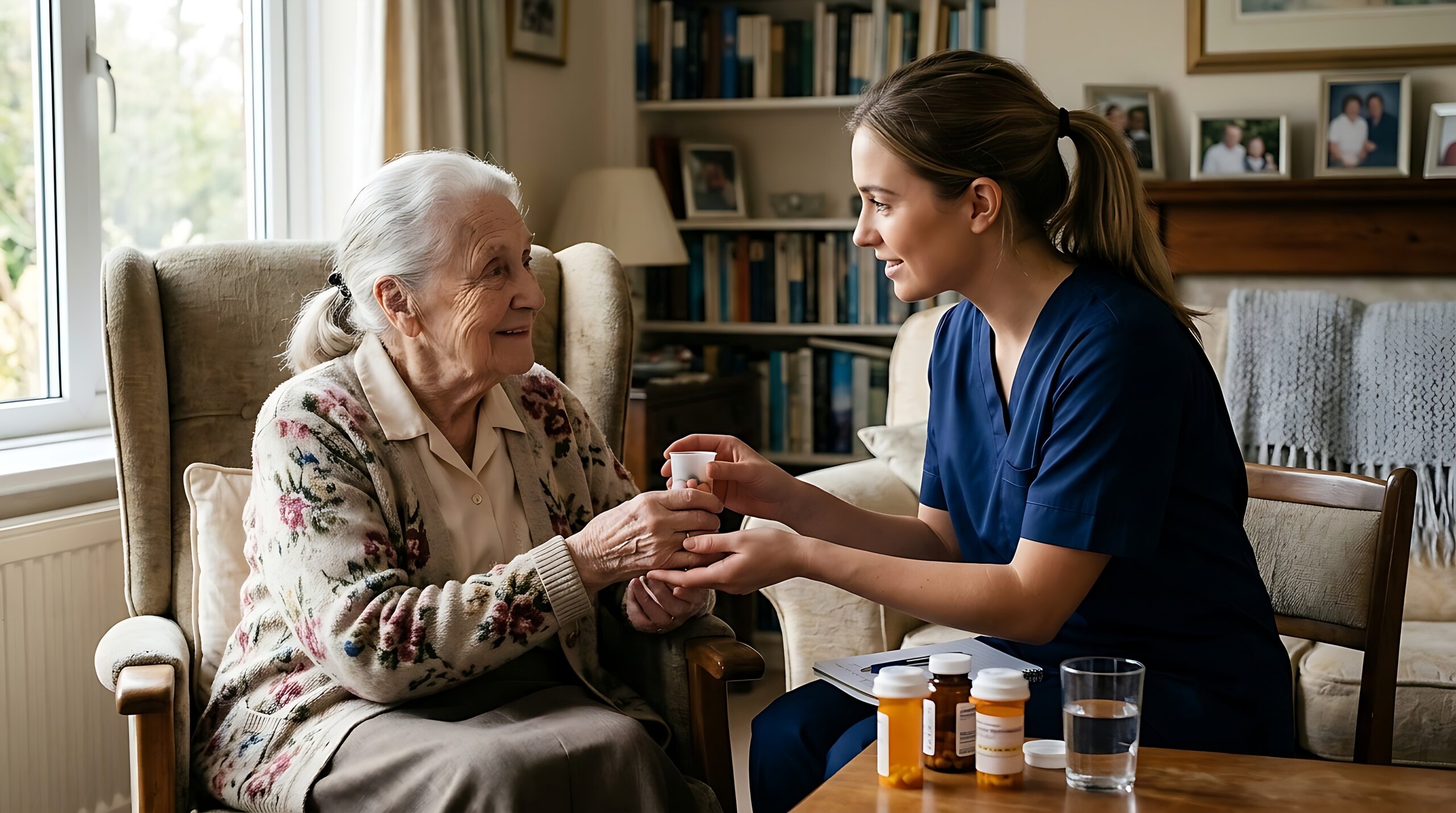
The evolution of palliative in-home care centers on shifting toward holistic personalized support systems that prioritize environmental comfort and emotional wellbeing over traditional institutional settings. Recent trends emphasize technology integration, family-centered practices, and compassionate companionship to enhance quality of life for individuals with serious illnesses. By adopting these modern best practices, caregivers can create a deeply supportive, peaceful environment right in the living room.
Many seniors prefer aging in place over moving to assisted living facilities. If your senior loved one needs assistance to remain safe and comfortable while living at home, reach out to Assisting Hands Home Care, a leading Libertyville home care agency. Our dedicated in-home caregivers can assist with meal prep, bathing and grooming, exercise, medication reminders, and many other important tasks.
What Are the Latest Trends in Palliative In-Home Care?
Recent developments in the palliative space focus on maximizing personal comfort and customizing the daily living experience. Caregivers are moving away from rigid schedules to highly adaptable routines that suit the individual’s specific emotional and physical preferences. Key trends include:
- Integrating smart home technology to give individuals more control over their physical environments
- Prioritizing specialized nutritional planning that focuses on enjoyment and comfort rather than strict dietary restrictions
- Utilizing digital communication tools to keep extended family members connected and involved in the emotional support circle
- Introducing holistic therapies such as music, art, and pet companionship to soothe the mind and spirit
How Does Technology Enhance In-Home Comfort?
Technology plays a vital role in modernizing comfort and accessibility within the home. Smart devices allow individuals to control their surroundings effortlessly, preserving their dignity and independence. Voice-activated lighting, automated climate control, and easily adjustable smart seating ensure physical comfort without requiring constant exertion. Furthermore, high-quality video calling setups prevent isolation by allowing individuals to maintain face-to-face contact with loved ones across the globe.
Why Is Family Involvement Considered a Best Practice?
Integrating family members into the daily care routine provides essential familiarity and emotional stability for the individual. Best practices now recognize the family unit is central to creating a warm, loving atmosphere a facility simply cannot replicate. Ways to involve the family include:
- Sharing daily decision-making regarding activities, meals, and home environment adjustments
- Participating in legacy-building exercises, such as recording family histories or organizing photo albums
- Collaborating to maintain a soothing home atmosphere, focusing on soft lighting and familiar scents
What Role Does Emotional Support Play in Modern Care?
Addressing mental and emotional wellbeing is now a fundamental cornerstone of holistic in-home practices. Providing dedicated companionship, active listening, and spiritual care ensures individuals feel valued, understood, and at peace. Caregivers and family members are encouraged to spend quality time simply being present, validating the senior’s feelings, and fostering an environment of unconditional emotional safety.
Emotional support is especially important if your loved one has dementia. Aging in place can present a few challenges for seniors living with dementia. However, with professional dementia care that offers Libertyville families peace of mind, they can still live safely and comfortably at home. Families can rely on Assisting Hands Home Care to provide their elderly loved ones with mental and social stimulation, timely medication reminders, assistance with the activities of daily living, and much more. Our caregivers are available around the clock to help your loved one live a happier and healthier life.
Family caregivers need to care for their own wellbeing. If you’re caring for an aging loved one and are feeling overwhelmed, consider hiring a professional caregiver. Whether you need respite from your caregiving duties or your aging loved one needs 24-hour care in Libertyville or a nearby area, Assisting Hands Home Care can meet your family’s care needs. Our dedicated caregivers are available around the clock to assist seniors with bathing, grooming, and various other daily tasks, and we also offer specialized Alzheimer’s, dementia, stroke, and Parkinson’s care. To create a customized care plan for your loved one, call us today.
Frequently Asked Questions
What is palliative in-home care?
+
It’s a specialized approach focused on providing relief from the stress of a serious illness right at home. The main goal is to enhance overall quality of life, comfort, and emotional wellbeing for both seniors and their families.
Who can benefit from palliative support at home?
+
Anyone facing a serious long-term illness who desires comfort and emotional support in a familiar environment can benefit from this approach. It’s appropriate at any age and focuses entirely on the individual’s comfort preferences.
How does in-home support differ from facility care?
+
In-home support allows seniors to remain in their own familiar surroundings, maintaining their personal routines and cherished comforts. It focuses heavily on customized environmental adaptations and deep family involvement.
Can family members act as primary caregivers?
+
Yes, family members often take on the primary caregiving role to ensure the environment remains loving and familiar. They utilize modern best practices and smart home tools to maintain a comfortable, stress-free atmosphere.