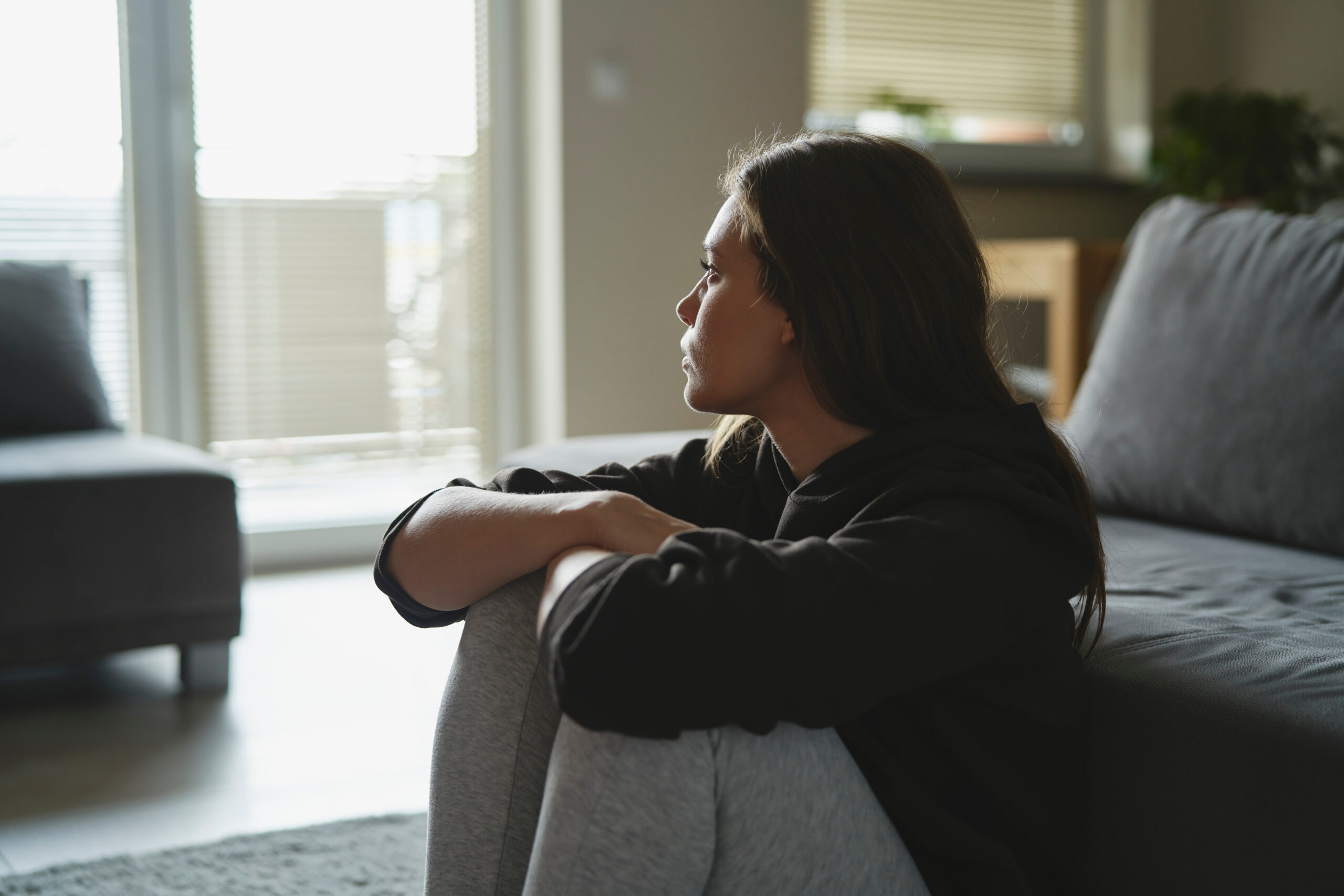
Sundowning syndrome is a pattern of increased confusion, agitation, and behavioral changes that typically occurs in the late afternoon or evening in people with dementia or Alzheimer’s disease. A home caregiver can manage it through consistent routines, environmental adjustments, and calming strategies tailored to the individual.
Sundowning affects an estimated 20 percent of people with Alzheimer’s disease, making it one of the most challenging aspects of home caregiving. Understanding what triggers it—and how to respond—can make a meaningful difference in daily life for both you and your senior loved one.
What Are the Most Common Signs of Sundowning Syndrome?
Recognizing sundowning early helps caregivers respond before symptoms escalate. Common signs include:
- Increased confusion or disorientation in the late afternoon or evening
- Agitation, restlessness, or pacing
- Mood swings, irritability, or emotional outbursts
- Suspicion or paranoia
- Difficulty following instructions or conversations
- Wandering or attempts to leave the home
What Triggers Sundowning in People with Dementia?
Several factors are known to worsen sundowning episodes:
- Fatigue – Mental and physical exhaustion tends to peak later in the day, reducing a person’s ability to cope.
- Low lighting – Dim or changing light can increase confusion and disorientation.
- Disrupted sleep patterns – Poor nighttime sleep can intensify daytime and evening symptoms.
- Overstimulation – Too much noise, activity, or social interaction throughout the day can contribute to evening agitation.
- Hunger or dehydration – Basic physical needs that go unmet can heighten irritability and distress.
How Can Caregivers Create a Calming Environment at Home?
The home environment plays a significant role in managing sundowning. Practical adjustments include:
- Increase lighting – Use bright full-spectrum lighting during the day and ensure rooms are well lit in the evening to reduce shadows and confusion.
- Maintain a predictable routine – Consistent mealtimes, activity schedules, and bedtime rituals can orient your loved one and reduce anxiety.
- Limit stimulation in the evening – Turn off loud televisions, reduce background noise, and keep the environment calm as the day winds down.
- Use calming sensory cues – Soft music, familiar scents, or a warm blanket can help ease agitation.
One of the most challenging tasks of helping an elderly relative age in place safely and comfortably is researching agencies that provide home care. Families can turn to Assisting Hands Home Care for reliable, high-quality Libertyville homecare for aging adults. We offer 24-hour care for seniors who require extensive assistance, and we also offer respite care for family caregivers who need a break from their caregiving duties.
What Daily Strategies Can Reduce Sundowning Episodes?
Building the right habits throughout the day can reduce the frequency and intensity of sundowning:
- Schedule demanding activities like appointments or bathing in the morning, when your loved one is most alert.
- Encourage gentle physical activity earlier in the day to promote better nighttime sleep.
- Limit napping in the late afternoon, which can disrupt the sleep-wake cycle.
- Offer a light snack in the early evening to address hunger without disrupting sleep.
- Use simple reassuring language and avoid arguing or correcting during episodes.
Caring for seniors with dementia can be challenging for family caregivers. Luckily, there is high-quality dementia home care available for Libertyville seniors and their families. Professional dementia caregivers help seniors with dementia stay safe and comfortable at home by preventing wandering, providing cognitive stimulation, and assisting with household chores.
How Should Caregivers Respond during Sundowning Episodes?
When an episode occurs, staying calm is the most important thing a caregiver can do:
- Validate your loved one’s feelings – Avoid dismissing emotions. Instead, acknowledge what your loved one is experiencing (“I can see you’re feeling upset. I’m right here with you”).
- Redirect attention – Gently introduce a familiar activity, object, or topic to shift focus.
- Avoid restraint or force – This tends to escalate agitation. Gentle guidance is more effective.
- Stay consistent – Use a calm, low, reassuring tone throughout the interaction.
- Step away if needed – If it’s safe to do so and you feel overwhelmed, give yourself a brief moment to reset.
Family caregivers need to care for their own wellbeing. If you’re caring for an aging loved one and are feeling overwhelmed, consider hiring a professional caregiver. Whether you need respite from your caregiving duties or your aging loved one needs 24-hour home care in Libertyville, Assisting Hands Home Care can meet your family’s care needs. Our dedicated caregivers are available around the clock to assist seniors with bathing, grooming, and various other daily tasks, and we also offer specialized Alzheimer’s, dementia, stroke, and Parkinson’s care. To create a customized home care plan for your loved one, call Assisting Hands Home Care today.
Frequently Asked Questions
At what time of day does sundowning typically occur?
+
Sundowning most commonly begins in the late afternoon around 3 to 4 p.m. and can continue into the evening or night.
Is sundowning the same as dementia getting worse?
+
Not necessarily. Sundowning is a specific behavioral pattern associated with dementia, but its presence or intensity doesn’t always indicate overall disease progression.
Can sundowning be prevented entirely?
+
Sundowning cannot always be prevented, but consistent routines, proper lighting, and proactive daily management can significantly reduce how often and how severely episodes occur.
Does sundowning affect the caregiver’s wellbeing?
+
Yes. Managing sundowning can be emotionally and physically draining for caregivers. Connecting with support groups or respite care services can prevent burnout.
Are there nonmedical ways to help someone experiencing sundowning?
+
Yes. Environmental adjustments, structured daily routines, sensory comfort strategies, and calm redirection techniques are all effective nonmedical approaches for managing sundowning at home.