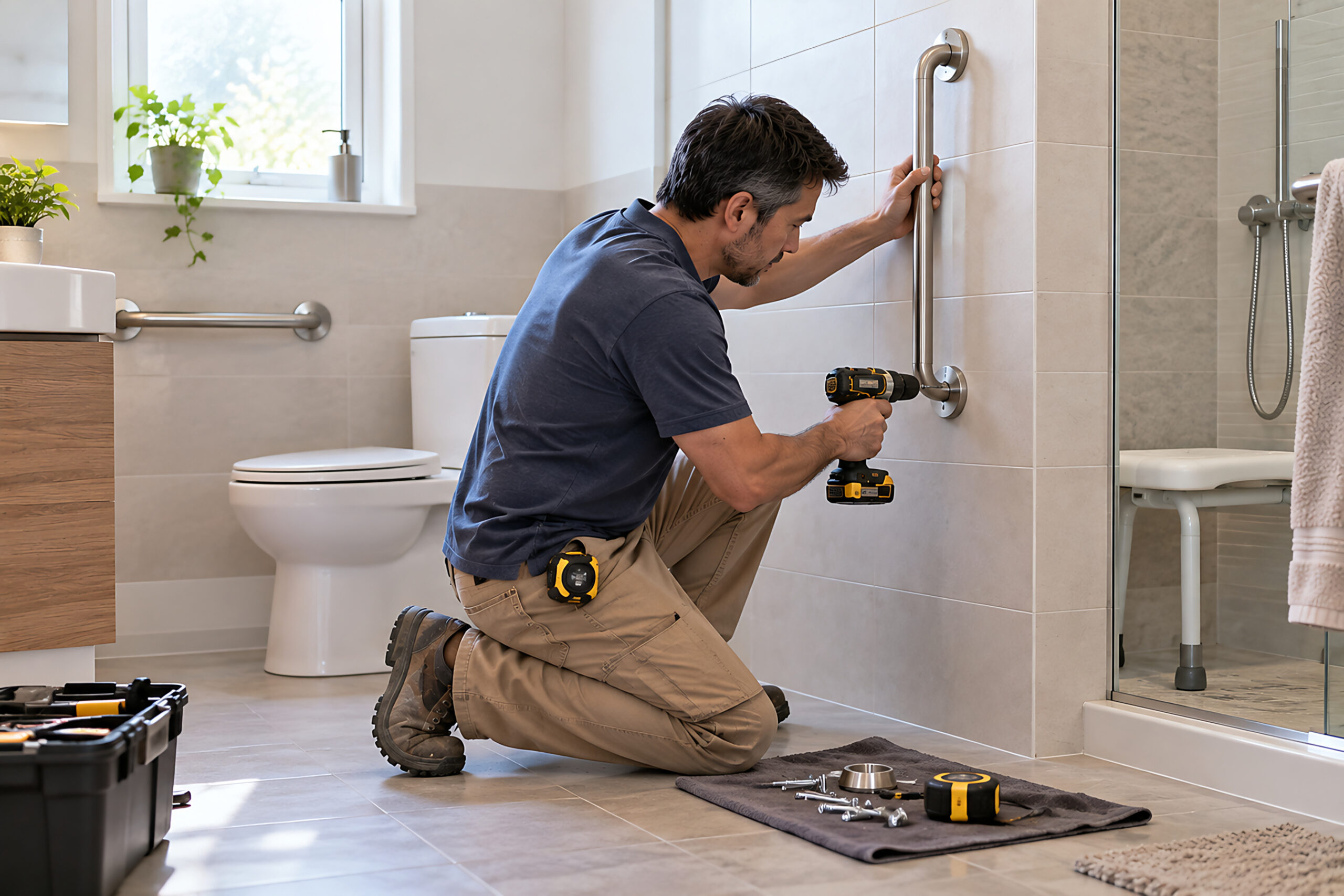
Preparing a home for in-home care means making each room safer, more accessible, and easier to navigate, which involves reducing fall risks, enhancing mobility, and creating a comfortable environment for both your senior loved one and the caregiver.
How Should You Prepare the Entryway and Living Areas?
The entryway and living room are high-traffic zones that need to be clear and easy to move through.
- Remove loose rugs, cords, and clutter from walkways.
- Install grab bars or handrails near the front door.
- Rearrange furniture to create wide, unobstructed pathways.
- Ensure lighting is bright and switches are easy to reach.
- Consider a ramp if there are steps at the entrance.
What Changes Does the Bedroom Need for In-Home Care?
The bedroom should prioritize safety and ease of movement, especially during nighttime hours.
- Position the bed at a height that makes sitting and standing easier.
- Place a nightlight or motion-sensor light between the bedroom and bathroom.
- Keep frequently used items—glasses, phone, water—within arm’s reach.
- Clear space on both sides of the bed for caregiver access.
- Use nonslip flooring or secure any area rugs with grip tape.
In the golden years, it’s easier to maintain a high quality of life in a senior-friendly home. One of the most challenging tasks of helping an elderly relative age in place safely and comfortably is researching agencies that provide home care. Families can turn to Assisting Hands Home Care for reliable, high-quality Libertyville overnight home care for aging adults. We offer 24-hour care for seniors who require extensive assistance, and we also offer respite care for family caregivers who need a break from their caregiving duties.
How Can the Bathroom Be Made Safer for In-Home Care?
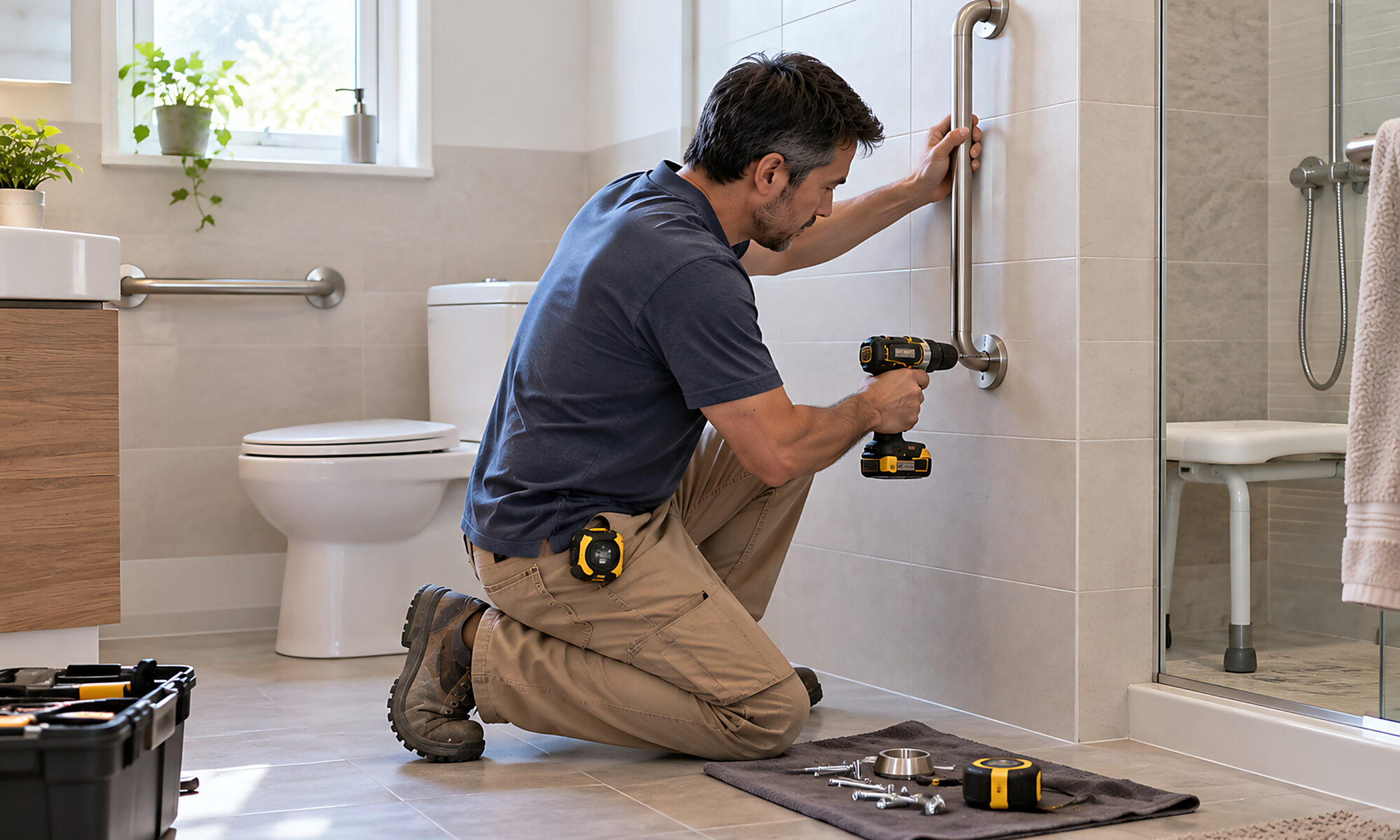
The bathroom is one of the highest-risk rooms in the home, making it a top priority for modification.
- Install grab bars near the toilet and inside the shower or tub.
- Use a shower chair or bench to reduce fall risk during bathing.
- Place nonslip mats on the floor and inside the shower.
- Consider a handheld showerhead for easier bathing.
- Raise the toilet seat height if needed for easier sitting and standing.
If you need help ensuring your loved one’s safety at home, a professional caregiver can be a wonderful source of support. Certain age-related conditions can make it more challenging for seniors to age in place safely and comfortably, but 24-hour home care experts are available around the clock to help Libertyville seniors manage their health. Whether your loved one is living with dementia or recovering from a stroke, you can trust the professional caregivers from Assisting Hands Home Care to enhance his or her quality of life. At Assisting Hands Home Care, we take measures to help seniors prevent illness and injury by assisting with exercise and mobility, preparing nutritious meals, helping with bathing and other personal hygiene tasks, and much more.
What Kitchen Adjustments Support In-Home Care?
A well-organized kitchen reduces strain and keeps daily routines running smoothly.
- Store everyday items at counter height to minimize bending and reaching.
- Use appliances with simple, easy-to-read controls.
- Ensure pathways around the kitchen are wide and free of obstacles.
- Install lever-style faucet handles for easier operation.
- Keep a sturdy step stool with a handle if higher shelves are still in use.
How Should Hallways and Stairs Be Prepared for In-Home Care?
Hallways and stairs are common sites for falls and need careful attention.
- Install handrails on both sides of staircases.
- Add stair treads or nonslip strips to each step.
- Keep hallways well lit with motion-activated lights.
- Remove any furniture, décor, or clutter that narrows the path.
- Consider a stairlift if navigating stairs has become difficult.
Many seniors prefer aging in place over moving to assisted living facilities. If your senior loved one needs assistance to remain safe and comfortable while living at home, reach out to Assisting Hands Home Care, a leading Libertyville elderly home care agency. Our dedicated in-home caregivers can assist with meal prep, bathing and grooming, exercise, medication reminders, and many other important tasks. If you need professional home care for your loved one, our Care Specialists are just a phone call away. Reach out to Assisting Hands Home Care today.
Frequently Asked Questions
How much does it cost to modify a home for in-home care?
+
Costs vary widely depending on the modifications needed, ranging from under $100 for basic safety items to several thousand dollars for larger installations like ramps or stairlifts.
Do I need a professional to assess the home before making changes?
+
home safety assessment isn’t required, but it can be helpful. Occupational therapists often offer home evaluations and can recommend targeted modifications.
What are the most important home modifications for preventing falls?
+
The highest-impact changes include installing grab bars in the bathroom, removing tripping hazards, improving lighting throughout the home, and securing loose rugs.
Can home modifications be covered by insurance or financial assistance programs?
+
Some modifications may be covered through Medicare, Medicaid, or state-funded assistance programs. It’s worth checking with your local Area Agency on Aging for available resources.
How do I know when a home is ready for in-home care to begin?
+
A home is generally ready when key safety risks have been addressed, pathways are clear, and the space comfortably accommodates both the person receiving care and the caregiver.