Blog

Blog

By Eugenia Damasius, 8:00 am on September 23, 2026

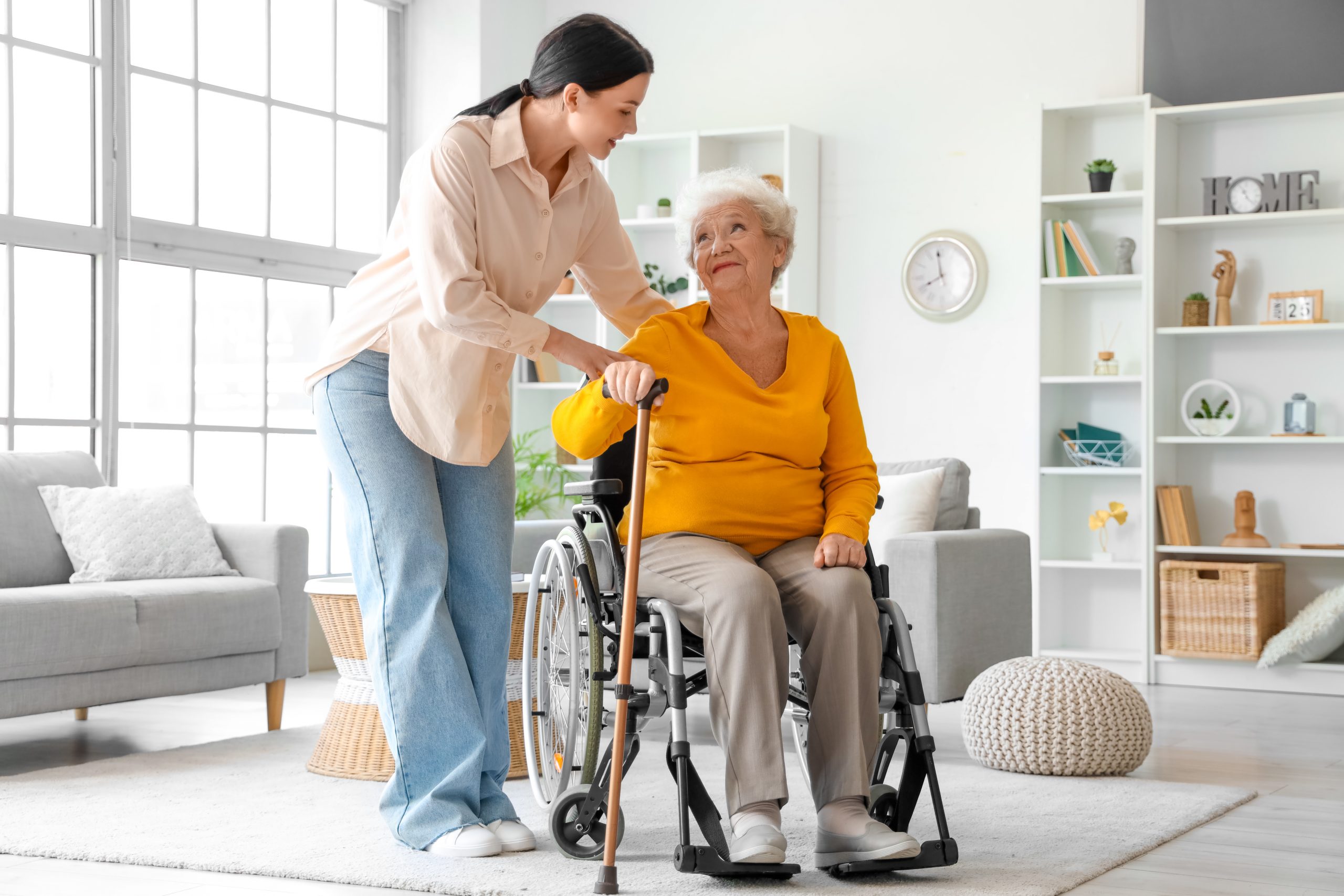
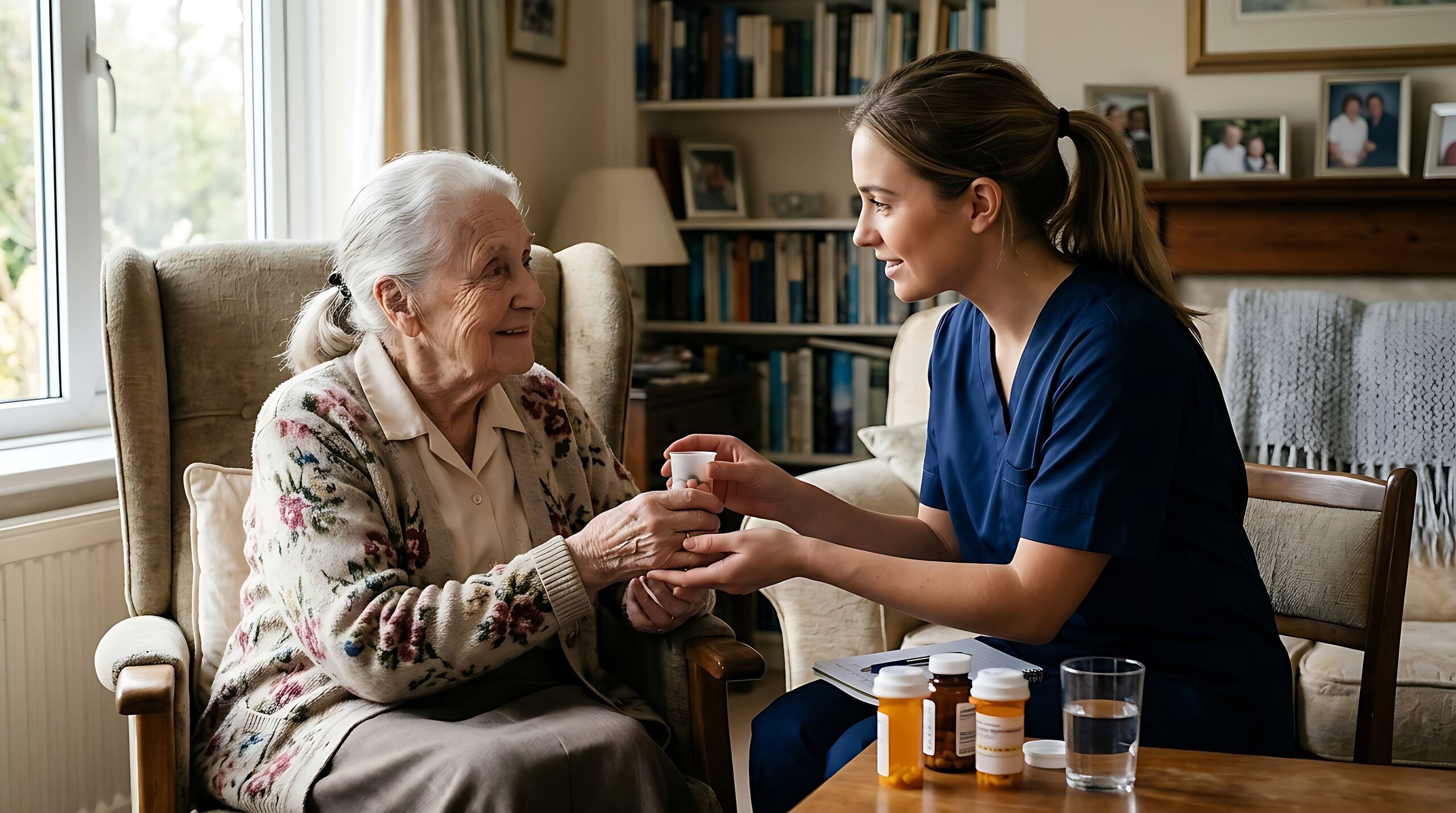
In-home care can prevent hospital readmissions by providing seniors with continuous support, medication organization, and early symptom monitoring after discharge, reducing the risk of complications that lead seniors back to the hospital. Hospital readmissions are a major challenge for seniors and healthcare systems alike, but in-home care offers a practical solution. By bridging the gap between hospital discharge and full…

By Eugenia Damasius, 8:00 am on September 16, 2026

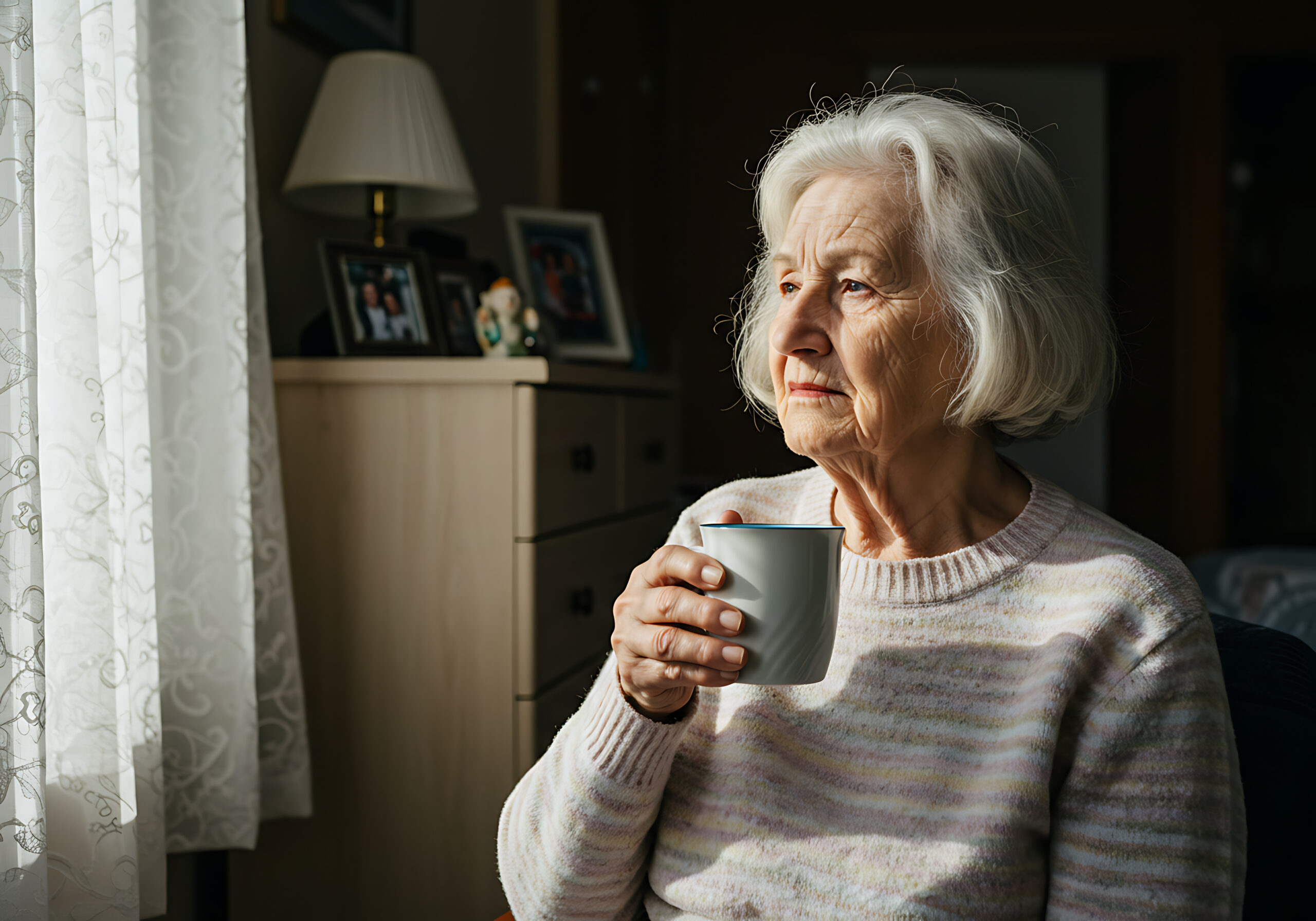
Preventing senior isolation in in-home care requires a combination of structured social engagement, purposeful daily routines, technology-assisted connection, and caregiver training, all tailored to the individual needs of each older adult. Senior isolation is one of the most pressing challenges in in-home care, affecting both the mental and physical wellbeing of older adults. With the right strategies in place, caregivers…

By Eugenia Damasius, 8:00 am on September 9, 2026

Sundowning syndrome is a pattern of increased confusion, agitation, and behavioral changes that typically occurs in the late afternoon or evening in people with dementia or Alzheimer’s disease. A home caregiver can manage it through consistent routines, environmental adjustments, and calming strategies tailored to the individual. Sundowning affects an estimated 20 percent of people with Alzheimer’s disease, making it one…

By Eugenia Damasius, 8:00 am on August 26, 2026

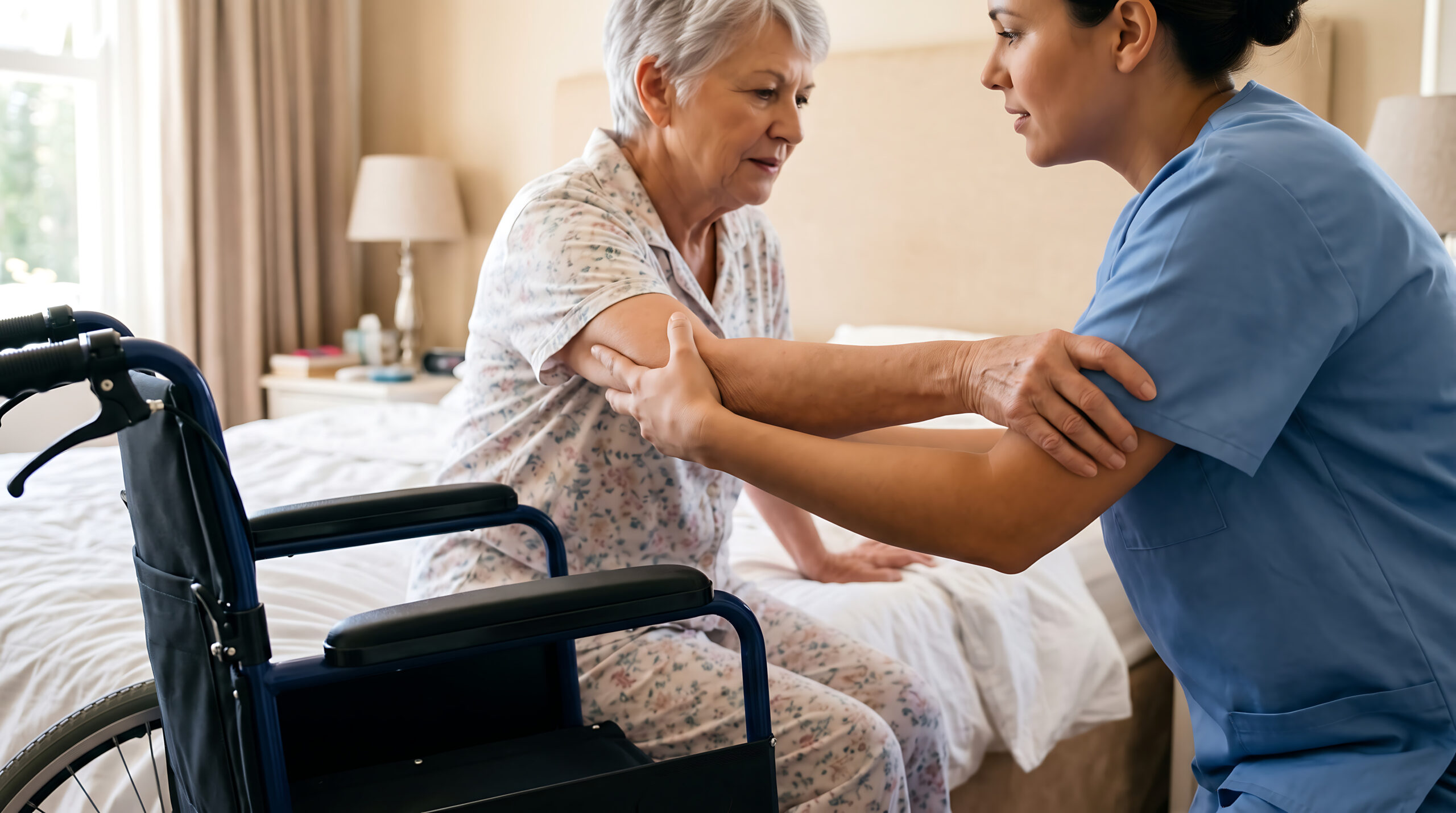
Integrating safe transfer techniques in daily senior in-home care involves utilizing proper body mechanics and appropriate mobility equipment to move older adults securely between surfaces like beds and chairs. Caregivers must prioritize clear pathways, stable leverage, and open communication to prevent falls and physical strain. These consistent daily practices empower older adults to maintain routine mobility safely and comfortably. What…

By Eugenia Damasius, 8:00 am on August 19, 2026

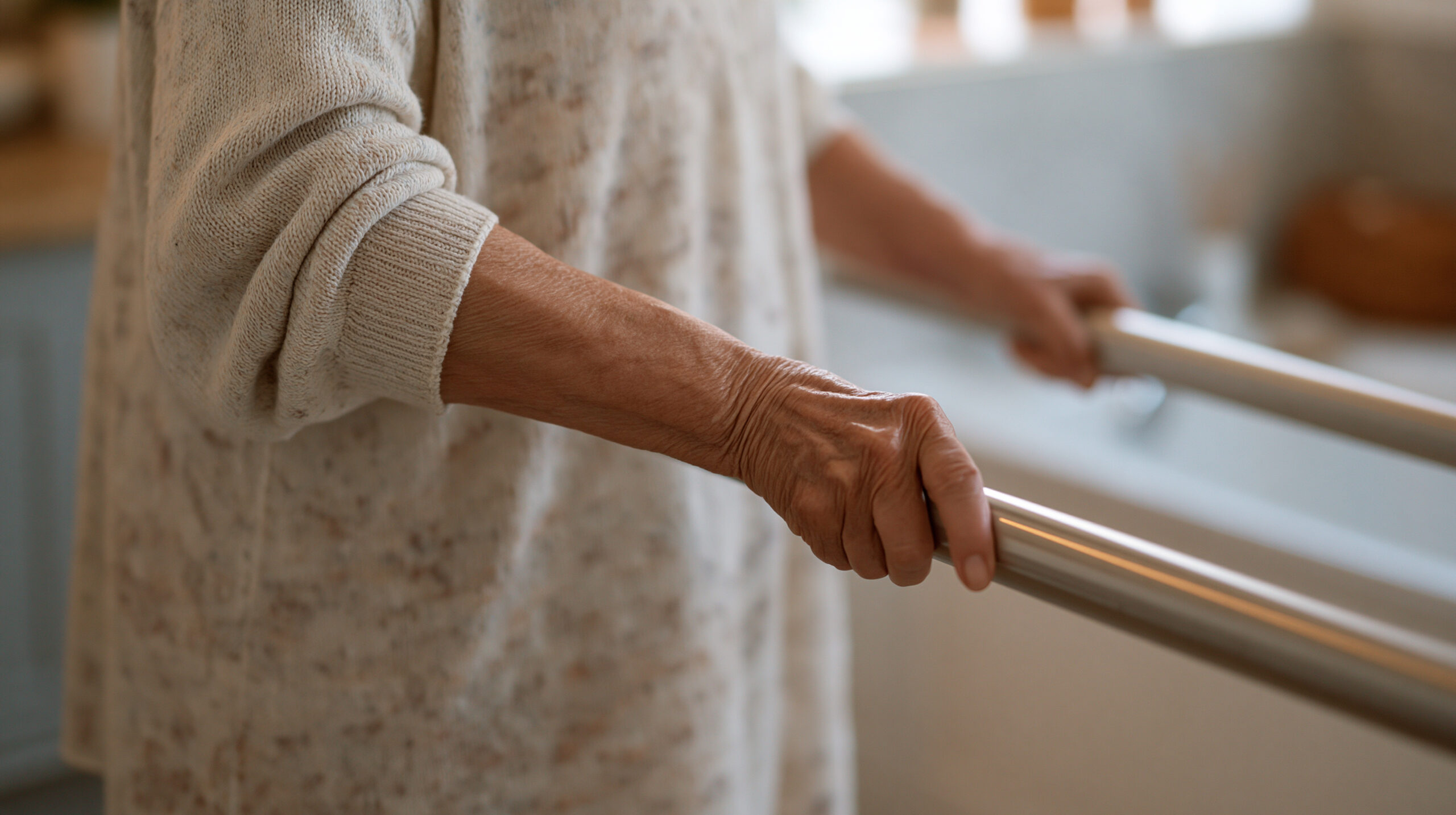
Preventing falls in senior in-home care requires a combination of home modifications, targeted exercises, and daily safety habits. Simple consistent changes to the home environment and routine can significantly reduce fall risk and support greater independence for older adults. Falls are the leading cause of injury among older adults, making fall prevention a top priority for senior in-home care. This…

By Eugenia Damasius, 8:00 am on August 12, 2026

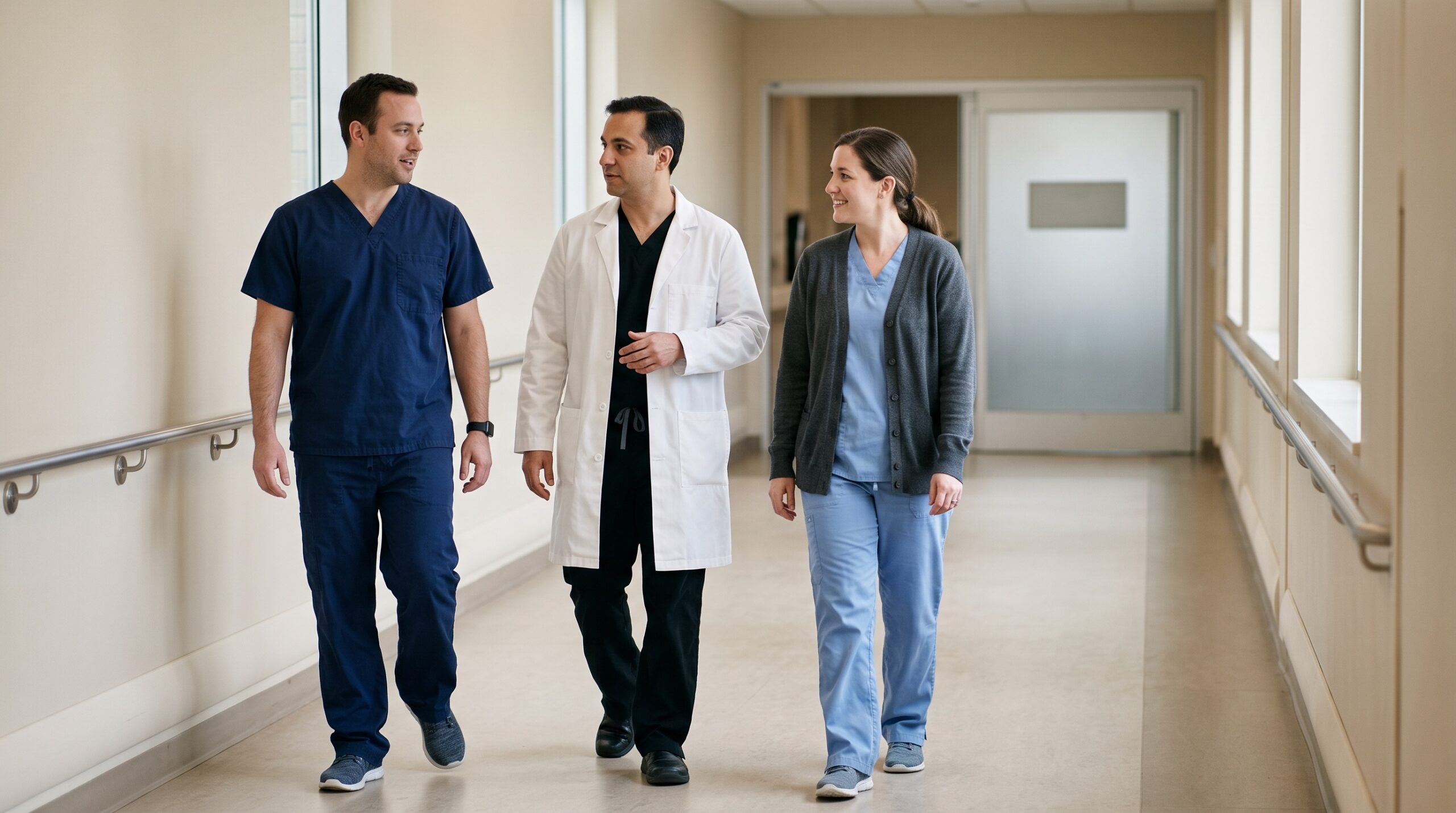
Multidisciplinary teams manage care at home by combining diverse professionals—such as social workers, dietitians, and physical therapists—to provide comprehensive personalized support for daily living. This collaborative approach ensures individuals can safely maintain their independence in familiar environments. By coordinating physical, emotional, and nutritional strategies, these teams address every aspect of a person’s wellbeing without relying on only one caregiver. What…

By Eugenia Damasius, 8:00 am on August 5, 2026

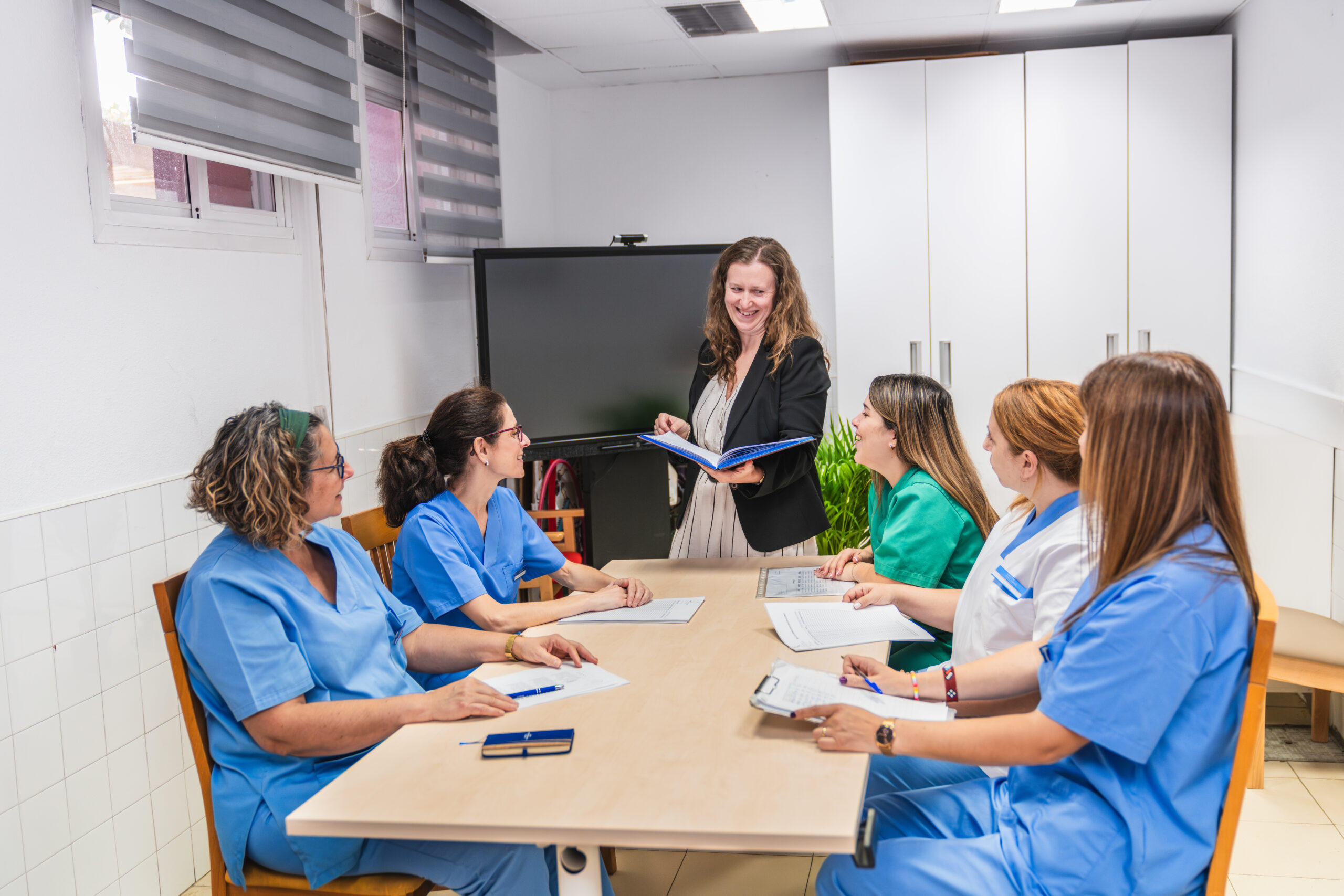
In-home care agencies prepare staff for dementia de-escalation by teaching evidence-based techniques that reduce conflict and promote emotional safety. This training is a core component of high-quality dementia care, helping caregivers navigate one of the most challenging aspects of the role with confidence and compassion. What De-Escalation Skills Do Caregivers Learn? Staff are trained in a range of practical skills…

By Eugenia Damasius, 8:00 am on July 29, 2026

The evolution of palliative in-home care centers on shifting toward holistic personalized support systems that prioritize environmental comfort and emotional wellbeing over traditional institutional settings. Recent trends emphasize technology integration, family-centered practices, and compassionate companionship to enhance quality of life for individuals with serious illnesses. By adopting these modern best practices, caregivers can create a deeply supportive, peaceful environment right…

By Eugenia Damasius, 8:00 am on July 22, 2026

Anticipatory grief is the profound sense of mourning and loss experienced while a senior loved one is still alive, and it is triggered by the gradual cognitive and physical decline associated with dementia. This emotional journey often leaves caregivers feeling overwhelmed by a mix of sadness, guilt, and helplessness as they watch the people they know slowly fade away. Understanding…

By Eugenia Damasius, 8:00 am on July 15, 2026

You can overcome caregiver burnout by hiring supplemental in-home care services to share daily responsibilities and give yourself time to rest. Taking care of a senior loved one is a rewarding but exhausting role that easily drains your physical and emotional reserves. Bringing in professional support allows you to recharge while ensuring your family member remains safe and comfortable at…